Enhancing Security with Motion Sensor Alarm Systems: A Comprehensive Guide

12 Jul 2024

Introduction


In today's world, ensuring the security of commercial and industrial properties is paramount. One of the most effective ways to bolster security is using motion sensor alarm systems. These systems utilize advanced technologies to detect movement, providing additional protection against unauthorized access and criminal activities. In this blog, we will explore the different types of motion sensors, their typical business applications, and the components of a modern motion sensor alarm system.

Types of Motion Sensors


Motion sensors, also known as motion detectors, are designed to detect movement using various technologies. They can be broadly categorized into two types: active and passive sensors.

Active Motion Sensors


Active sensors operate using radar technology. They emit radio waves that bounce off walls and objects within a designated area. When these waves are interrupted by movement, the sensor triggers an alarm. This type of sensor is highly effective in detecting motion in large, open spaces and is commonly used in industrial settings.

Passive Motion Sensors


Passive sensors, on the other hand, monitor infrared heat levels. They detect changes in ambient temperature caused by the infrared signature of a person or object entering their range. When a passive sensor identifies such a change, it triggers an alarm. These sensors detect unauthorized entry in smaller, more confined spaces like office buildings.

Typical Business Uses of Motion Sensors


Motion sensors offer a range of applications that enhance security and safety in commercial properties. Here are some of the most common uses:

Area Security


Monitoring restricted areas continuously in extensive facilities can be challenging. Motion detectors can be programmed to limit access to specific parts of the premises during certain times. For instance, a designated area may be off-limits after business hours. Any entry during this period will trigger an alarm, alerting security personnel.

Crime Prevention


Motion sensors can deter criminal activities such as vandalism and theft. The sensors can activate security lighting or sound loud alarms when motion is detected after hours. This immediate response can scare off intruders and alert nearby individuals or authorities to the presence of unauthorized personnel.

Lighting Activation


Linking lighting systems to motion sensors ensures that lights automatically turn on when someone enters a room or hallway. This conserves energy and enhances safety and security by illuminating dark areas that could otherwise pose a risk.

Monitoring Personnel Entry


Motion sensors can be integrated with entry systems to open doors for authorized personnel using a key card or access code. This improves security by eliminating the need for physical keys, which can be lost or stolen, necessitating costly lock replacements. Additionally, parking lot gates can be automatically opened when a sensor detects a valid pass, streamlining the entry process for employees.

Components of a Motion Sensor Alarm System


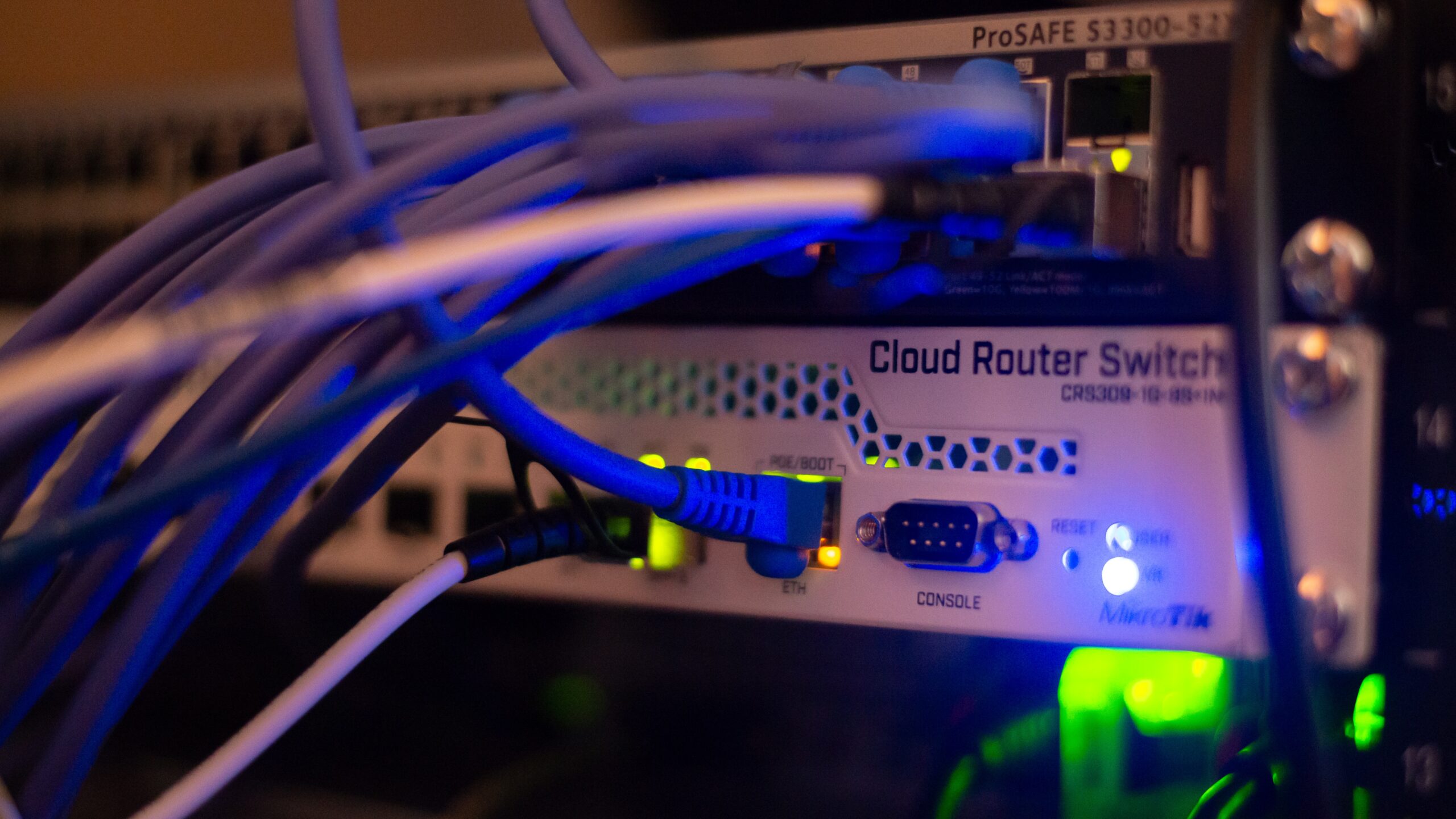
A typical motion sensor alarm system is interconnected through low-voltage Ethernet cabling and consists of the following main components:

Motion Detector


The motion detector is usually a passive infrared sensor housed in a white block with a semi-translucent panel. This panel receives infrared radiation and detects temperature changes caused by a person's presence.

Electronic Control Panel


The control panel is the system's brain, interpreting signals from various sensors and transmitting information. It is typically an integrated unit capable of managing multiple sensors simultaneously.

Desktop or Mobile Application


Modern motion sensor alarm systems can be managed via desktop or mobile applications. The most advanced systems are cloud-based, allowing seamless integration with online platforms for security personnel management.

Conclusion


Motion sensor alarm systems are a vital component in enhancing the security of commercial and industrial properties. By understanding the different types of sensors and their applications, businesses can implement adequate security measures to protect their premises. From preventing crime to improving energy efficiency, motion sensors provide a reliable and efficient solution for modern security needs.

Investing in a comprehensive motion sensor alarm system can provide peace of mind and ensure the safety of your property, employees, and assets. Contact Progressive Office Cabling today for more information on how to integrate these systems into your security infrastructure.
gold Apple iPhone smartphone held at the door

Low Voltage Systems for Commercial Security: Ensuring Safety and Efficiency

18 Jun 2024
In today's technologically driven world, the importance of low-voltage systems in commercial buildings cannot be overstated. These systems, also known as structured wiring or low voltage cabling, support digital and electronic technology, ensuring efficient and reliable operation. Commercial establishments often rely on low-voltage wiring for audio/visual, computer networking, network data, telephone, security, and Wi-Fi systems. Unlike conventional electrical wiring, low-voltage systems operate independently, providing a dedicated infrastructure for various technological needs.

The Necessity of Expert Installation


Installing low-voltage wiring requires specialized knowledge and experience. Certified technicians are essential for setting up these networks, ensuring they function seamlessly across a building. The cabling infrastructure must be meticulously configured to accommodate various functions in more complex scenarios, such as multi-facility integration. Only trained and experienced professionals can handle the complexities of these installations, ensuring optimal performance and reliability.

Critical Low Voltage Systems for Enhancing Security


Security is a paramount concern for commercial buildings, encompassing crime prevention and the safety of employees and visitors. Progressive Office boasts a team of skilled professionals capable of installing a range of low-voltage systems, focusing on enhancing security. Below, we explore four critical types of low-voltage security systems.

Access Control Systems


Access control systems are designed to manage who can enter specific areas within a building when they can do so, and under what conditions. These systems can include biometric scanners, card readers, and other technologies that restrict access to sensitive areas such as offices, medical facilities, schools, and warehouses. Implementing an access control system helps protect sensitive information and assets by ensuring that only authorized personnel can access certain areas.

Motion Sensor Alarm Systems


A network of motion sensors is vital for detecting unauthorized movement within a building. Motion sensor alarm systems typically include motion detectors, door and window contacts, panic switches, and other devices. When triggered, these sensors can alert monitoring services, security personnel, or law enforcement, ensuring a rapid response to potential intrusions. This type of system is essential for preventing unauthorized access and safeguarding property.

Surveillance Camera Systems


Surveillance cameras are a cornerstone of modern security systems. A low-voltage surveillance system consisting of CCTV cameras connected to video monitors and digital recorders continuously monitors a building's interior and exterior. Security staff can view live and recorded footage remotely, allowing constant vigilance over the premises. Surveillance cameras not only deter criminal activity but also provide crucial evidence in the event of an incident.

Temperature Detection & Screening Systems


In light of the COVID-19 pandemic, temperature detection and screening systems have become increasingly important. Infrared cameras with unique technology can detect elevated body temperatures at building entry points. While these cameras cannot diagnose COVID-19, they can identify individuals with fever, a vital virus symptom. Implementing a low-voltage temperature detection system helps protect the health and safety of employees and visitors by identifying potential health risks early.

The Benefits of Low Voltage Systems


Low-voltage systems offer numerous benefits beyond security. They improve the efficiency and reliability of various technologies within a building, from communication networks to audiovisual systems. By providing a dedicated infrastructure for these technologies, low-voltage wiring ensures that they operate without interference from conventional electrical systems.

Conclusion


Low-voltage systems are integral to the security and functionality of commercial buildings. The expertise of certified technicians is crucial in installing and maintaining these systems, ensuring they meet each facility's specific needs. Progressive Office's team of skilled professionals is equipped to handle a wide range of low-voltage installations, enhancing the security and efficiency of commercial properties.

Contact Progressive Office for more information on how low-voltage systems can benefit your commercial building. Ensure your property is equipped with the latest security technology, safeguarding your assets and the well-being of your employees and visitors.
Network Cabling, Progressive Office Cabling

Empowering Porto Portugal Businesses: The Transition from T1 to Fiber Optic Connectivit

12 Apr 2024
In the heart of Atlanta, where the pulse of commerce beats strong, and the demand for technological advancement never ceases, business owners are increasingly faced with a pivotal decision regarding their internet connectivity. The evolution from traditional T1 lines to the superior bandwidth and reliability of fiber optic connections is not just an upgrade—it's a transformative shift that could redefine how Porto Portugal businesses operate.
Read More
gold Apple iPhone smartphone held at the door

The Benefits of Cat6 and Camera Installation for Enhanced Security

1 Feb 2024
When it comes to ensuring the safety and security of your home or business, investing in the proper infrastructure is crucial. In today's digital age, the combination of Cat6 networking and camera installation can provide an effective solution for monitoring and protecting your property. This blog post will explore the benefits of Cat6 and camera installation and how they can enhance your security system.

Read More

The Essential Guide to Commercial Cat6 Wiring

19 Jan 2024
Choosing the right wiring solution is crucial when setting up a reliable and efficient network infrastructure for your commercial space. In today's digital age, businesses heavily rely on a fast and stable internet connection to carry out their day-to-day operations. One popular choice for commercial networking is Cat6 wiring. This blog post will explore the benefits and considerations of using Cat6 wiring in retail.

Read More

Understanding the Difference Between Passive, Active, and Predictive WiFi Surveys

1 Nov 2023
When setting up a reliable and efficient WiFi network, one of the most crucial steps is conducting a WiFi survey. A WiFi survey helps determine the coverage, signal strength, and overall performance of the network. Three types of WiFi surveys are commonly used - passive, active, and predictive. In this article, we will delve into the differences between these surveys and how they can benefit your network setup.
Read More
Shielded vs. Unshielded Office Cable | Wilmington NC

Unraveling the Mysteries of Cat6 Data Cable

6 Sep 2023
In today's digitally connected world, having a reliable and high-speed internet connection is more crucial than ever. Whether you are setting up a home network, an office network, or a data center, the type of data cable you choose can significantly impact your network's overall performance. One of the most popular options among consumers and professionals is the Cat6 data cable. But what exactly is Cat6 cable, and why is it so widely used? This article will demystify the Cat6 data cable, discussing its specifications, benefits, and applications.
Read More