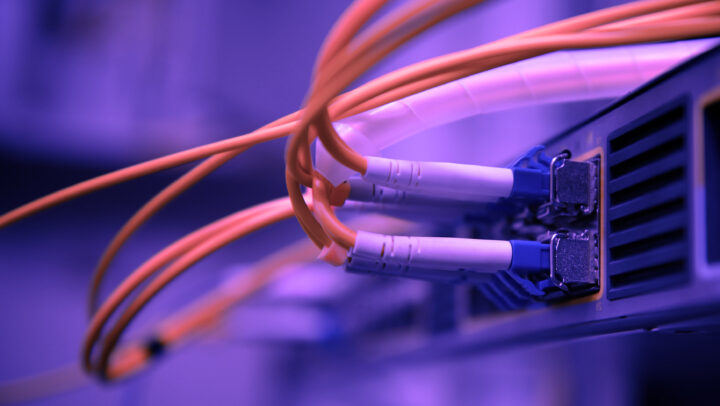
Warehouse Network Cabling Solutions: Building Reliable Infrastructure for High-Demand Operations

5 Mar 2026


Warehouses are no longer simple storage facilities. Today’s distribution centers and industrial spaces rely on real-time inventory tracking, wireless scanning systems, security cameras, access control, automation technology, and cloud-based management platforms. All of this depends on one critical element: reliable network cabling infrastructure.


For warehouses nationwide, investing in professionally designed structured cabling is essential for operational efficiency, security, and long-term scalability.


At Progressive Cabling, we design and install warehouse network cabling solutions that support performance in demanding, high-traffic environments.


Why Warehouses Have Unique Networking Needs


Warehouse environments present challenges that traditional office spaces do not. High ceilings, metal racking systems, long cable runs, heavy machinery, and fluctuating temperatures all impact network performance.


Without proper planning, warehouses often experience:


  • Wi-Fi dead zones between racks


  • Dropped scanner connections


  • Slow inventory updates


  • Unreliable security camera feeds


  • Network congestion during peak operations


A professionally designed cabling system solves these issues at the infrastructure level.


Structured Cabling as the Foundation


Structured cabling creates an organized framework that connects all devices within the warehouse. This includes:


  • Workstations and management offices


  • Wireless access points throughout the facility


  • Security cameras and NVR systems


  • Access control readers and keypads


  • Shipping and receiving systems


  • Automated equipment and sensors


Using Cat6 or Cat6a cabling, properly routed and terminated, ensures stable performance across all systems.


Fiber Optic Backbones for Large Facilities


Warehouses often span large square footage, making fiber optic cabling a critical component of the network backbone.


Fiber provides:


  • High-speed data transmission over long distances


  • Minimal signal loss across large buildings


  • Reliable connectivity between network closets


  • Strong support for high-bandwidth applications


  • Scalability for future expansion


By combining fiber backbones with structured copper cabling, warehouses achieve both speed and efficiency.


Supporting Warehouse Wi-Fi Coverage


Wireless coverage is vital in warehouses where employees rely on handheld scanners, tablets, and mobile devices. However, metal shelving and dense inventory can interfere with signals.


Proper network cabling ensures:


  • Strategically placed wireless access points


  • Dedicated data drops for ceiling-mounted APs


  • Stable Power over Ethernet (PoE) support


  • Balanced network load across the facility


This infrastructure ensures consistent connectivity in every aisle and work zone.


Security Camera and Access Control Integration


Warehouses store valuable inventory and equipment, making security a top priority. Modern facilities rely on integrated surveillance and access control systems.


Professional cabling supports:


  • High-resolution PoE security cameras


  • Perimeter and loading dock monitoring


  • Door access control systems


  • Integration with central monitoring platforms


  • Reliable recording and playback systems


Clean, organized cabling reduces the risk of camera outages and security vulnerabilities.


Planning for Growth and Automation


Many warehouses are adopting automation systems and smart technologies, including:


  • Inventory tracking sensors


  • Automated sorting equipment


  • Environmental monitoring systems


  • Real-time data analytics


A scalable cabling design ensures these technologies can be added without costly reinstallation.


Future-ready planning includes:


  • Spare conduits and pathways


  • Additional data drop capacity


  • Proper rack and switch space


  • PoE-ready infrastructure


This prevents disruption as operations expand.


Reducing Downtime Through Proper Installation


Warehouse downtime can disrupt shipping schedules and impact customer satisfaction. Properly installed cabling reduces risks by providing:


  • Organized network closets


  • Clearly labeled patch panels


  • Clean cable management


  • Code-compliant installations


  • Easier troubleshooting and maintenance


Reliable infrastructure supports consistent daily operations.


Industries That Rely on Warehouse Cabling Solutions


Warehouse network infrastructure is critical for:


  • Distribution centers


  • Manufacturing facilities


  • E-commerce fulfillment operations


  • Cold storage facilities


  • Industrial supply companies


  • Logistics and transportation hubs


In each case, performance and uptime are essential.


Why Businesses Choose Progressive Cabling


Progressive Cabling provides professional warehouse network cabling solutions nationwide. Businesses choose us because we deliver:


  • Structured Cat6 and Cat6a installations


  • Fiber optic backbone design


  • PoE-ready infrastructure for cameras and Wi-Fi


  • Organized, code-compliant network closets


  • Scalable solutions for automation and growth


  • Clean, professional workmanship


We build warehouse networks that support productivity, security, and expansion.


Build a Strong Network for Your Warehouse Operations


Warehouses operate at high speed — and your network should too. A professionally designed cabling system ensures reliable connectivity, improved security, and readiness for future growth.


If your warehouse is planning an upgrade, expansion, or new construction, now is the time to invest in infrastructure that performs.


Contact Progressive Cabling today to learn how professional warehouse network cabling can support your operations nationwide.






white security camera on post

Why PoE Security Camera Cabling Is the Future of Commercial Surveillance

27 Jan 2026

Modern businesses require surveillance systems that are reliable, scalable, and easy to manage. As companies in Atlanta, GA and Pittsburgh, PA continue to upgrade their security infrastructure, PoE (Power-over-Ethernet) security camera systems have become the preferred solution. At Progressive Office Cabling, we provide expert CCTV cabling system consulting and installation, helping organizations build smarter, more efficient surveillance networks.

Read More

Progressive Office Cabling

Why Professional Wireless Site Surveys Are Essential for Reliable Business Wi-Fi

9 Jan 2026

Fast, reliable Wi-Fi is no longer a luxury for businesses — it’s a core requirement. From cloud-based applications and video conferencing to mobile devices, scanners, and smart building systems, nearly everything depends on strong wireless connectivity. Yet many businesses across Georgia, including Atlanta, Cobb County, and Rome, struggle with dead zones, slow speeds, and unreliable connections.

Read More

The Importance of Fiber Backbones in Modern Smart Buildings

5 Dec 2025

Smart buildings are becoming the new standard for commercial spaces across Georgia, especially in high-growth areas like Atlanta, Marietta, Kennesaw, and Rome. These buildings rely on automation, IoT devices, cloud-based systems, and advanced security technologies to operate efficiently. But behind every sensor, access point, camera, and smart controller lies one essential element: a fiber optic backbone.

Read More

Fiber vs. Copper Cabling: Which Is Right for Your Business?

7 Nov 2025

This one is written to engage both small business owners and facility managers in Georgia who are evaluating upgrade options — and it naturally promotes Progressive Cabling’s expertise in both copper and fiber installations.


Fiber vs. Copper Cabling: Which Is Right for Your Business?


When it comes to building or upgrading your company’s network, one of the most common questions is: Should we use fiber optic cabling or copper cabling?


Both types of cabling have their place in modern infrastructure, but the best choice depends on your specific business needs, facility size, and performance goals.


At Progressive Cabling, we install both fiber optic and copper (Cat6/Cat6a) cabling across Atlanta, Cobb County, Rome, and surrounding areas, helping businesses of all sizes design efficient, scalable, and future-ready networks.


If you’re wondering which is right for your organization, let’s break down the key differences, advantages, and ideal use cases for each.


Understanding the Basics


Copper Cabling


Copper cabling — including Cat5e, Cat6, and Cat6a — uses electrical signals to transmit data between devices. It’s been the standard in commercial networking for decades and remains widely used for local area networks (LANs), office connections, and access point installations.


Fiber Optic Cabling


Fiber optic cabling uses light instead of electricity to transmit data through strands of glass or plastic. This allows information to travel at significantly higher speeds and over longer distances without signal loss or interference.


Both technologies are reliable, but their differences can make one a better fit than the other depending on your environment and connectivity goals.


Speed and Bandwidth


Fiber optic cabling offers unmatched speed and bandwidth capacity. It can handle massive data loads and transfer information at nearly the speed of light.


In contrast, copper cabling (like Cat6 or Cat6a) is still fast and perfectly adequate for most small to mid-sized businesses but has limitations in bandwidth over longer distances.


Winner: Fiber – ideal for high-demand environments such as large offices, data centers, or warehouses with multiple devices streaming, uploading, and transferring data simultaneously.


Distance and Signal Integrity


Fiber optic cables maintain signal strength over miles, while copper cabling typically maxes out around 300 feet before performance drops.


For businesses that need connectivity between multiple buildings or across large facilities, fiber is the superior choice. However, for shorter runs inside offices or retail spaces, copper cabling remains cost-effective and practical.


Winner: Fiber for long-distance; Copper for local connections.


Reliability and Interference


Copper cabling is more susceptible to electromagnetic interference (EMI) and environmental factors such as temperature changes, humidity, or nearby electrical wiring.


Fiber optic cabling, on the other hand, is immune to EMI and provides consistent, stable performance — even in industrial environments or high-density data applications.


Winner: Fiber – especially in warehouses, healthcare facilities, and manufacturing plants.


Installation and Cost


Copper cabling is typically less expensive to install and easier to maintain, making it ideal for smaller networks or budget-conscious projects.


Fiber optic cabling requires specialized tools and technicians, which can increase upfront installation costs — but it delivers long-term savings through better reliability, lower maintenance, and longer lifespan.


Winner: Copper for short-term affordability; Fiber for long-term value.


Security


In an age where cybersecurity is more critical than ever, fiber has a clear advantage. Because it transmits data through light instead of electrical signals, it’s nearly impossible to tap without physically damaging the line — making it a much more secure medium for sensitive information.


Winner: Fiber – especially for financial, legal, or healthcare organizations handling confidential data.


Flexibility and Scalability


If your business is growing fast or upgrading to cloud-based systems, fiber optic cabling provides the scalability you’ll need. It can easily handle future increases in bandwidth demands, whereas copper may eventually require replacement or supplementation.


That said, a hybrid approach — using fiber as the backbone and copper for local connections — often delivers the best of both worlds.


Winner: Both – depending on your layout and growth plans.


The Hybrid Solution: Fiber Backbone + Copper Network


For many Georgia businesses, the most effective and cost-efficient option is a hybrid network.


  • Fiber serves as the backbone, connecting server rooms, data centers, and key network hubs across long distances.


  • Copper cabling connects local workstations, access points, and devices within each office or floor.


This combination delivers high-speed performance while keeping installation costs reasonable — and Progressive Cabling specializes in designing these integrated systems.


Why Georgia Businesses Trust Progressive Cabling


From Atlanta offices to Rome warehouses and Cobb County schools, Progressive Cabling delivers:


  • Expert installation of fiber, Cat6, and Cat6a cabling systems


  • Organized, code-compliant, and future-ready networks


  • Hybrid system design for optimal cost and performance


  • Certified technicians for both copper and fiber installations


  • Ongoing maintenance, testing, and troubleshooting services


Our goal is to provide you with a network that meets today’s demands and tomorrow’s possibilities — without unnecessary complexity or downtime.


Upgrade Your Network with the Right Cabling Solution


Whether your business needs fiber optic speed, copper cabling efficiency, or a hybrid design, Progressive Cabling has the expertise to plan, install, and maintain the right system for you.


We proudly serve businesses across Atlanta, Cobb County, Floyd County, and all of Northwest Georgia, delivering reliable, high-performance cabling infrastructure.


Contact Progressive Cabling today to schedule a consultation and find out which cabling solution is best for your business.

Cat5e Cable Demolition Services in Atlanta, GA – Call Now for a Quote

10 Oct 2025

As technology continues to evolve, many businesses in Atlanta, GA are upgrading from older network infrastructure to faster, more reliable systems like Cat6, Cat6a, and fiber optic cabling. One critical step in this process that often gets overlooked is Cat5e cable demolition.


At Progressive Cabling, we provide professional Cat5e demolition services to help businesses clear out outdated cabling, keep their spaces safe, and prepare for future-ready network installations. Our team ensures the removal process is efficient, compliant with building codes, and minimally disruptive to your operations.


Why Remove Old Cat5e Cabling?


Cat5e cabling was once the standard for networking, but it can no longer keep pace with today’s demands for higher bandwidth, cloud-based applications, and large-scale data transfers. Many older buildings in Atlanta still contain abandoned or unused Cat5e cabling, which can create a variety of problems:


  • Safety Concerns – Old cables often clutter ceilings, risers, and server rooms, restricting airflow and increasing fire risks.


  • Code Compliance – Local building codes and the National Electrical Code (NEC) often require the removal of abandoned cables.


  • Obstacles to Upgrades – Leaving old cabling in place makes it harder and more expensive to install new infrastructure.


  • Cluttered Workspaces – Outdated wiring makes IT rooms disorganized and harder to manage.


By removing outdated Cat5e cabling, you set the stage for a clean, organized, and high-performing network environment.


When to Schedule Cat5e Demolition


Progressive Cabling works with businesses, property managers, and contractors across Atlanta for a range of scenarios:


  • Office Renovations – Preparing for modern layouts and faster network systems.


  • Relocations – Meeting lease requirements to remove abandoned cabling.


  • Upgrading to Cat6, Cat6a, or Fiber – Clearing the path for high-speed network installations.


  • Compliance & Safety Projects – Addressing fire and safety concerns in older buildings.


  • Warehouse Modernization – Removing legacy cabling to support automation and IoT systems.


Our Cat5e Demolition Process


We provide a careful, professional approach that minimizes downtime and protects your space:


  1. Site Evaluation – We inspect your building to identify which cables need to be removed.


  2. Planning & Coordination – We develop a safe, efficient plan to remove cables while respecting your schedule.


  3. Demolition & Removal – Our technicians carefully extract Cat5e cabling from walls, ceilings, conduits, and server racks.


  4. Responsible Disposal & Recycling – We dispose of or recycle materials in compliance with environmental regulations.


  5. Clean-Up & Preparation – We leave your space neat, safe, and ready for future installations.


Benefits of Professional Cat5e Demolition


Hiring Progressive Cabling for your cable removal offers key advantages:


  • Code-Compliant Service – Our team follows NEC guidelines and local Atlanta regulations.


  • Enhanced Safety – Reducing fire hazards and clearing pathways for airflow.


  • Faster Future Upgrades – Preparing your site for new Cat6, Cat6a, or fiber installations.


  • Organized Infrastructure – Making IT rooms, risers, and server closets more manageable.


  • Minimal Disruption – We work around your operations to avoid unnecessary downtime.


Serving the Greater Atlanta Area


We proudly serve businesses across the Atlanta metro region, including:


  • Downtown and Midtown high-rises transitioning to modern network systems.


  • Buckhead and Perimeter Center offices upgrading to meet growing bandwidth demands.


  • Industrial facilities and warehouses near the airport preparing for automation and IoT-driven operations.


  • Suburban office parks and retail spaces needing safe removal of legacy cabling.


Our local expertise means we understand the unique needs of Atlanta’s diverse commercial spaces.


Why Atlanta Businesses Trust Progressive Cabling


Businesses choose Progressive Cabling for Cat5e demolition services because we offer:


  • Experienced Technicians – Skilled in both removing old infrastructure and installing new systems.


  • Compliance & Safety Focus – Ensuring projects meet all regulations.


  • Efficient, Organized Work – Keeping projects on schedule and minimizing downtime.


  • Future-Ready Support – After demolition, we can design and install modern Cat6, Cat6a, or fiber cabling.


  • Customer-Centered Service – Clear communication and professionalism throughout every project.


Call Progressive Cabling for a Quote Today


If your building still has outdated Cat5e cabling, now is the perfect time to take the next step. Removing old infrastructure not only improves safety and compliance but also makes future network upgrades faster and more cost-effective.


Progressive Cabling provides Cat5e demolition services in Atlanta, GA, delivering safe, organized, and efficient cable removal for businesses of all sizes.


Call Progressive Cabling today for a quote and let our experienced team help you prepare your office, warehouse, or commercial property for the next generation of network technology.

Boost Warehouse Efficiency with Professional AP Installation in Rome, GA

2 Sep 2025

Running a warehouse today is about more than just moving products—it’s about speed, accuracy, and connectivity. In Rome, GA, warehouses are modernizing at a rapid pace, with handheld scanners, automated systems, and cloud-based inventory tools becoming the new normal. To keep these systems running smoothly, one thing is essential: a strong, reliable wireless network.

Read More

Cat6 Cable Demolition Services for Businesses in Kennesaw, GA

29 Aug 2025

As businesses in Kennesaw, GA expand and modernize, many discover that outdated cabling systems are holding them back. Old Cat6 or abandoned network wiring left behind after moves, renovations, or upgrades can create problems ranging from clutter to safety hazards. That’s why professional Cat6 demolition services are an essential step in maintaining a safe, efficient, and future-ready workplace.

Read More