Data Cabling Cat5e Cat6/6a Cabling

Abandoned Cable Liability Issue

17 Oct 2013
 Cabling,Data Cabling Cat5e Cat6/6a Cabling

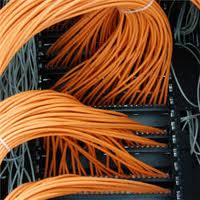
As tenants come and go in a commercial building, the cabling infrastructure sometimes leaves behind abandoned Cat5, Cat6 and coax cabling. All that needs to happen is for the new tenant to request a reconfigured layout that relocates the main wall closet. Or, sometimes the old tenant will cut away the cabling in order to take the patch panels with them. If possible, keep the wall closet location. And always offer to buy the patch panels from a departing tenant.


Read More

Network Cabling Data Cabling

How to Install a Patch Panel

27 Jun 2013

The process of installing a patch panel onto a wall begins with the preparing the wall to hold the rack. Most offices have drywall walls. Sometimes the walls are concrete if they lie along the structural boundaries of the building. This installation involved mounting the patch panel onto a wall that is drywall on top of concrete.


The photos below will illustrate what is involved in mounting a rack that holds the patch panel and switch.

Read More

network cabling, data cabling

Perfect Patch Panel Installation

4 Jun 2013
This project involved installation of 28 double drops into two 48-port patch panels. Each wall plate has two connections with one dedicated to data and the other dedicated to voice. Price Benowitz has a lovely office at 409 7th Street, NW. The building is historic but renovated into a modern office. So, the drop ceilings and hollow walls facilitated a straight-forward installation of the Cat5e network cabling system.
Read More
Network Cabling, Data Cabling ,Cat5e, Cat6/6a Cabling

Basic Structured Cabling

4 Apr 2013
Cables,Network Cabling, Data Cabling, Cat5e ,Cat6/6a Cabling

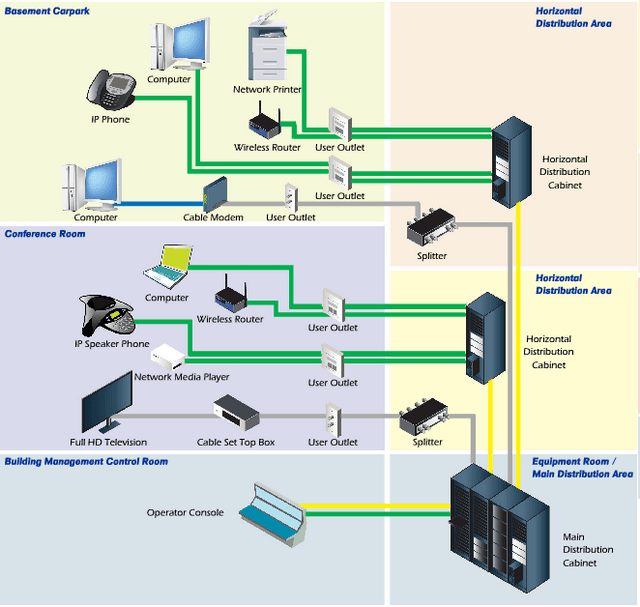
"Structured cabling” is a complete system of cabling and associated hardware which creates a telecommunications infrastructure. This infrastructure can serve a range of tasks, such as providing telephone service or data transmission through a computer network.

Every cabling system is unique. Variations in the structure of the facilities housing the installation, the specific cabling and connections needs, use and function, as well as customer needs requires standardization to ensure acceptable system performance from increasingly complex systems. The American National Standards Institute (ANSI) is the responsible organization
Read More
Washington DC,Network Cabling, Data Cabling

Network Cabling Issues

31 Mar 2013
Network Cabling, Data Cabling ,Washington DCA major part of creating a viable network involves the installation of a cabling system. A solid cabling system is a good investment that will not only meet your current networking needs, but will last through your next-generation network as well.

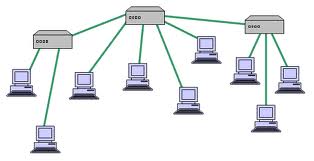
Modern Ethernet networks follow a “star topology”, where each device on the network connects its own cable to a hub. In a single room
Read More
IT Support,Data Cabling,Atlanta GA

A Guide to Network Cabling

22 Mar 2013

Cat 6While WI-Fi and other wireless network technologies have improved greatly over the years, nothing beats the reliability and performance of a wired network in your home or business. One challenge that people face is what kind of cable they need for their needs.


Although there are dozens of network cable types, the fact is only 3 types of network cable is commonly used in home and small business networks: Category 3 (Cat3), Category 5 (Cat5), and Category 6 (Cat6).

Read More

Structured-Cabling,Data Cabling

What is “Structured Cabling”?

14 Mar 2013

Structured-CablingStructured cabling is a telecommunications cabling infrastructure consisting of a number of standardized smaller elements called subsystems.
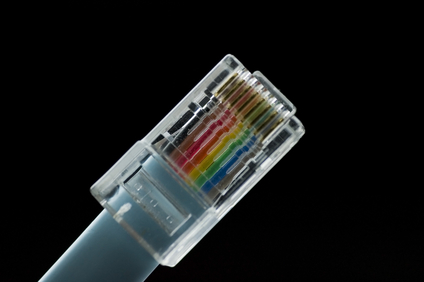

Structured cabling falls into five subsystems:

  1. A Demarcation point is the connection point where the telephone company network ends and the customer’s on-premise wiring connection begins.

  2. Equipment or Telecommunications Rooms contain equipment and wiring points that serve the users inside a building.

  3. Vertical or Riser Cabling connects between the equipment/telecommunications rooms on different floors.
    Read More
Network Cabling,data cabling,,DC

Network Cabling Issues

4 Jan 2013

Cat5 ,Cat6 ,lan cableGiven that labor costs for installation are much higher than the material cost for cable; your first requirement is to use the highest grade cable available. Cat5e is the most common, but Cat6 is becoming the standard as it is rated for a higher frequency signal, a somewhat higher cable quality, and has tighter specifications for noise and crosstalk. Both Cat5e  and Cat6 can handle gigabit speeds.


Both Cat5e and Cat6 use 10BaseT “twisted-pair” cabling, because it is ideal for either small, medium, or large networks that need flexibility and the capacity to expand as the number of network users grow.  In a twisted-pair network, each PC has a twisted-pair cable that runs to a centralized hub. Twisted-pair is generally more reliable than thin coax networks because the hub is capable of correcting data errors and improving the network's overall transmission speed and reliability. Also known as “up linking” hubs, they can be chained together for even greater expansion.


Should you install the cabling yourself, or hire a contractor? The smaller the office network, the more tempting it is to install cabling in-house. While this will save installation costs, it is important to be sure that all the cabling is installed and tested to professional standards. If your network encompasses multiple rooms-and/or floors, then hiring a professional cable installer that has experience with data communications networks is the safest and most practical route.  General electricians may not be familiar with all the requirements. Experienced cable installers such as Progressive Cabling will know the right grades of cables and connectors and have the knowledge and equipment to install and test a cabling system.

IT support, network infrastructure

What is “Structured Cabling”?

27 Dec 2012

data cabling,structured network cables Traditionally computer network designers developed their systems with the assumption that they will operate on a specific type of cable using a specific type of connector. Thus, each manufacturer has its own cable and connector "standard," but that standard was for their own system only. For example, here are some “standard” cable/connector systems in use:

Read More

Cat5 Cat6 Network Cabling,Washington DC

The Good, the Bad, and the Ugly: Cabling Lessons Learned

14 Dec 2012

Cat5, Cat6 data cables ,connected to serversA magnetic field when running low voltages. Unfortunately, when this unshielded cabling creates a magnetic field created. Any electrical cabling bear by disrupts communication, slowing transmission or preventing Network cabling is a tricky. Even with a solid background, technicians without adequate knowledge and training can make mistakes that may shut down an entire system. Here are some typical mistakes seen in network cabling.


Plan for the Future.  Cat5 may be the cheaper option, but can cause problems when upgrading is needed. Install Cat5e or Cat6 cables with options for upgrades to save labor costs.


Don’t Mix and Match. Twisted pair cabling was often out of the price range for many companies, so priority was given to data, while voice had with cheaper cabling. Now, VoIP has made voice equal to data in importance and need. Fortunately, a typical VoIP phone has a built-in Ethernet connection or pass-thru that is compatible with almost any data cable, which decreases installation costs.


Don't put Electrical Cables Next to Data Cables. Data cables use twisted pairs of wires inside that help produce transmissions altogether. This generally happens when the cables are running parallel, so if your cable is near a power line, lay them perpendicular to the power line.


 Not Laying New Cable When You Need To. Ethernet switches are convenient, but can be misused. Mini-switches are often added to provide a few extra ports; but this can cause bottlenecks and instability. Add extra cable instead, if more network resources are needed.


Forgetting Cable Management. “Ladder racks” add extra cost to an installation, but they also make the installation look better, run better, and easier to maintain and update. Also, don't forget to color code or label your cables, so technicians can actually find the right cable later.