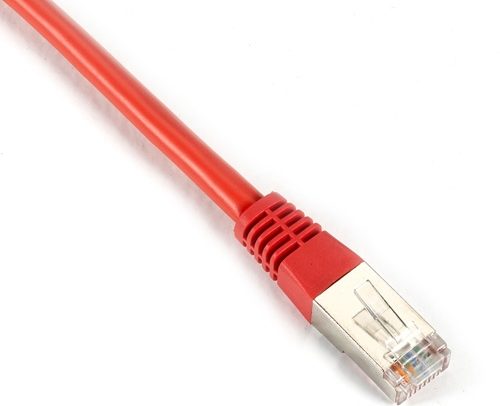
As discussed in Part 1, organizations with vision make investments in the most effective structured cabling solutions that let them meet current business and technical requirements and to scale with flexibility in the future. Part 2 will discuss Fiber Cabling and Planning the Installation.
Fiber Cabling
Fiber cables use light to transmit data, decreasing signal interruption and letting signals travel much longer distances. Experts also believe fiber cabling provides greater security. In addition, fiber cables weigh less than copper cables and are easier to manage. Although more expensive, fiber cabling has been increasingly gaining traction for organizations looking for a dependable and scalable solution.
Multi-mode fiber cables are divided into the following categories: OM1, OM2, OM3, and OM4. Utilized for shorter distances, multi-mode fibers possess high light-gathering capacities. This allows the utilization of economical lower wavelength technologies such as LED (light emitting diode) and VCSELs (vertical-cavity surface-emitting lasers). When longer distances are required, single-mode OS1 or OS2 is installed. Single-mode fiber can attain greater speeds and longer distances through laser technology.
Planning the Installation
Buying the most effective structured cabling solutions and selecting a cabling provider partner is only the beginning. Planning effectively and creating a sound strategy will bring forth three benefits as discussed below.
- Optimizing Space: Consider your employees, locations, and space limitations. Work with an expert cabling provider to inspect and perform an audit of the physical space in your building or facility. Planning will be improved, resulting in superior cabling flows and decreasing the cabling system’s complexity.
- Reduction of Operating Costs: Selecting the proper cabling and equipment that meets your company’s technical and business requirements will maximize utilization and the project’s budget. Effective planning and strategic thinking will result in considerable savings during the operational service life of the cabling installation.
- Stability for the Long Term: Project the number of users that will require support as your company expands over the cabling’s service life of 10 to 15 years. In addition, ensure that the infrastructure is based on open standards capable of supporting standard applications.
Progressive Office Cabling
Founded in 1986, Progressive Office’s success has been a direct result of years of commitment to seeking cost-effective solutions. Working together, Progressive teams are committed to getting your data cables installed and operating while minimizing disruption and downtime. Call our toll free number (800) 614-4560 today.