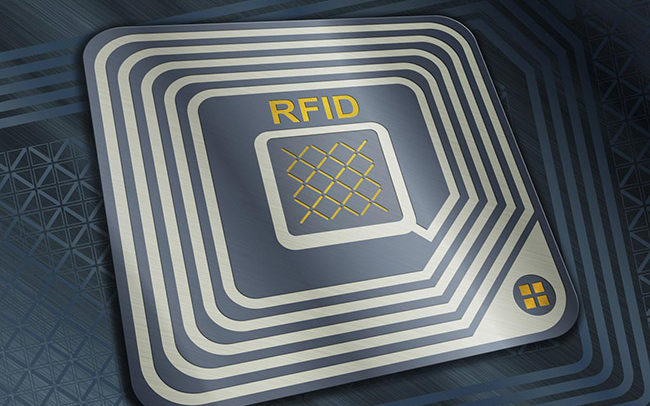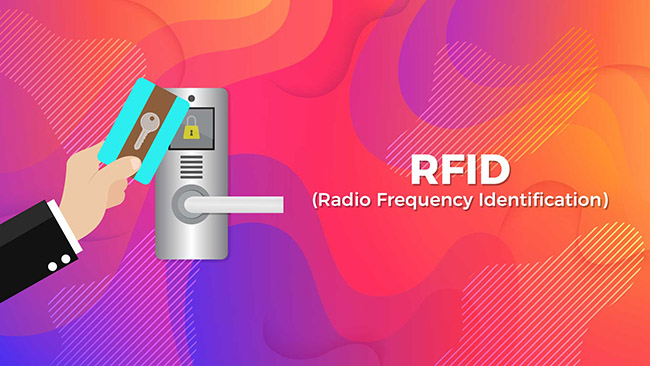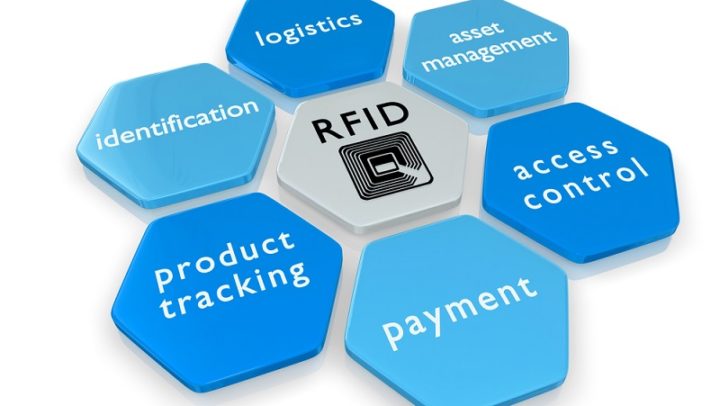
An automated data collection technology, RFID (Radio Frequency Identification) is used to increase the operational efficiency of warehouses and distribution centers.
Yes, in several important ways that will help boost productivity, operational efficiency, and profitability. RFID (Radio Frequency Identification) can complement data capture technologies, such as bar codes, that have already been implemented by warehouses and distribution centers. Below is a summary of the benefits of RFID deployment in these two cases.
As discussed in Part 1, it is increasingly harder to justify the installation of any cable category that is less than Cat6a because of existing and emerging technical demands. However, the installations of Cat6 cabling currently exceed Cat6a. Part 2 will discuss New Wi-Fi Standards and Comparison of Cat6 and Cat6a.
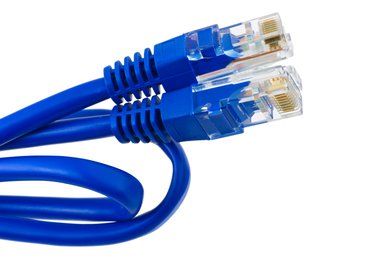
Considered to be the best performing twisted-pair cabling supporting 10 Gig speeds in wide use, Cat6a has been in existence since its introduction in 2006. However, two older categories, Cat 5e and Cat6, respectively 18 and 21 years old, still hold significant shares of the market. Cat6 currently exceeds the installations of Cat6a.
As discussed in Part 1, if your company is planning the installation of access control readers and locks, data servers, or surveillance cameras, the project will require structured cabling to support these security system components. Part 2 will discuss Access Control and Wire Concealment & Protection.
If your company is planning the installation of access control readers and locks, data servers, or surveillance cameras, the project will require structured cabling to support these security system components.
As discussed in Part 1, sound planning and implementation of the best practices of structured cabling will allow organizations to optimize the dependability and efficiency of their data center cabling. Part 2 will discuss five more cabling tips for manageable data centers.
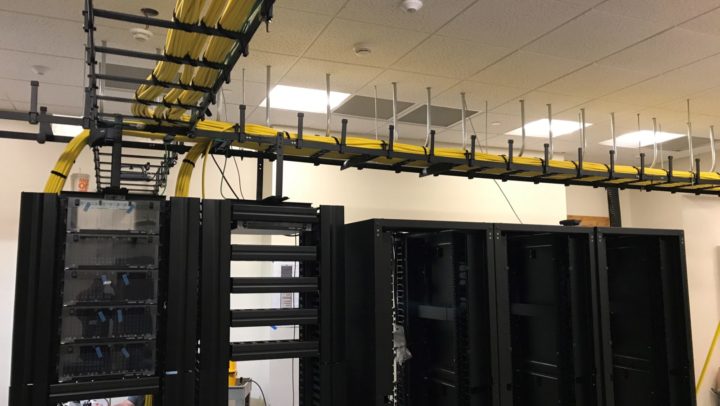
The best practices of cable management provide more benefits than just organization. Properly managing the cables on a server rack will increase airflow efficiency and cooling effectiveness, improving system performance and allowing easier scalability and maintenance.
Introduced in 2009, Category 6a cable (Augmented Category 6) can support data transfer rates ranging up to 10Gbps at a bandwidth of 500MHz. Superior to the preceding cable categories, the increased performance of Cat6a can be attributed to the tighter and additional twists of its wires and thicker insulation for the significant reduction of crosstalk.
As discussed in Part 1, infrastructure is composed of numerous components with cabling often overlooked by the majority of users when it functions well. However, it immediately gets noticed when it is faulty and affects performance and efficiency. Part 2 will discuss Long-Term Growth and BYOD (Bring Your Own Device).