person holding pencil near laptop computer

Why More Businesses Are Upgrading to Managed Network Infrastructure in 2026

11 Jun 2026

Technology is evolving faster than ever, and businesses are becoming increasingly dependent on reliable connectivity. From cloud applications and remote collaboration to security systems and smart building technologies, nearly every business operation relies on a stable network. As a result, many organizations are moving away from reactive IT management and investing in managed network infrastructure that provides better performance, reliability, and scalability.


For businesses nationwide, modern network infrastructure is no longer just an IT expense—it's a critical business asset. At Progressive Cabling, we help organizations build the structured cabling and low-voltage infrastructure needed to support today's demanding network environments.


What Is Managed Network Infrastructure?


Managed network infrastructure refers to a professionally designed and maintained network environment that supports all business technology systems.


This includes:


  • Structured cabling systems

  • Fiber optic backbones

  • Wireless access points

  • Security cameras

  • Access control systems

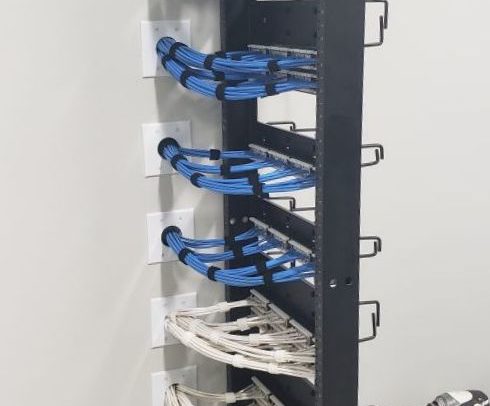
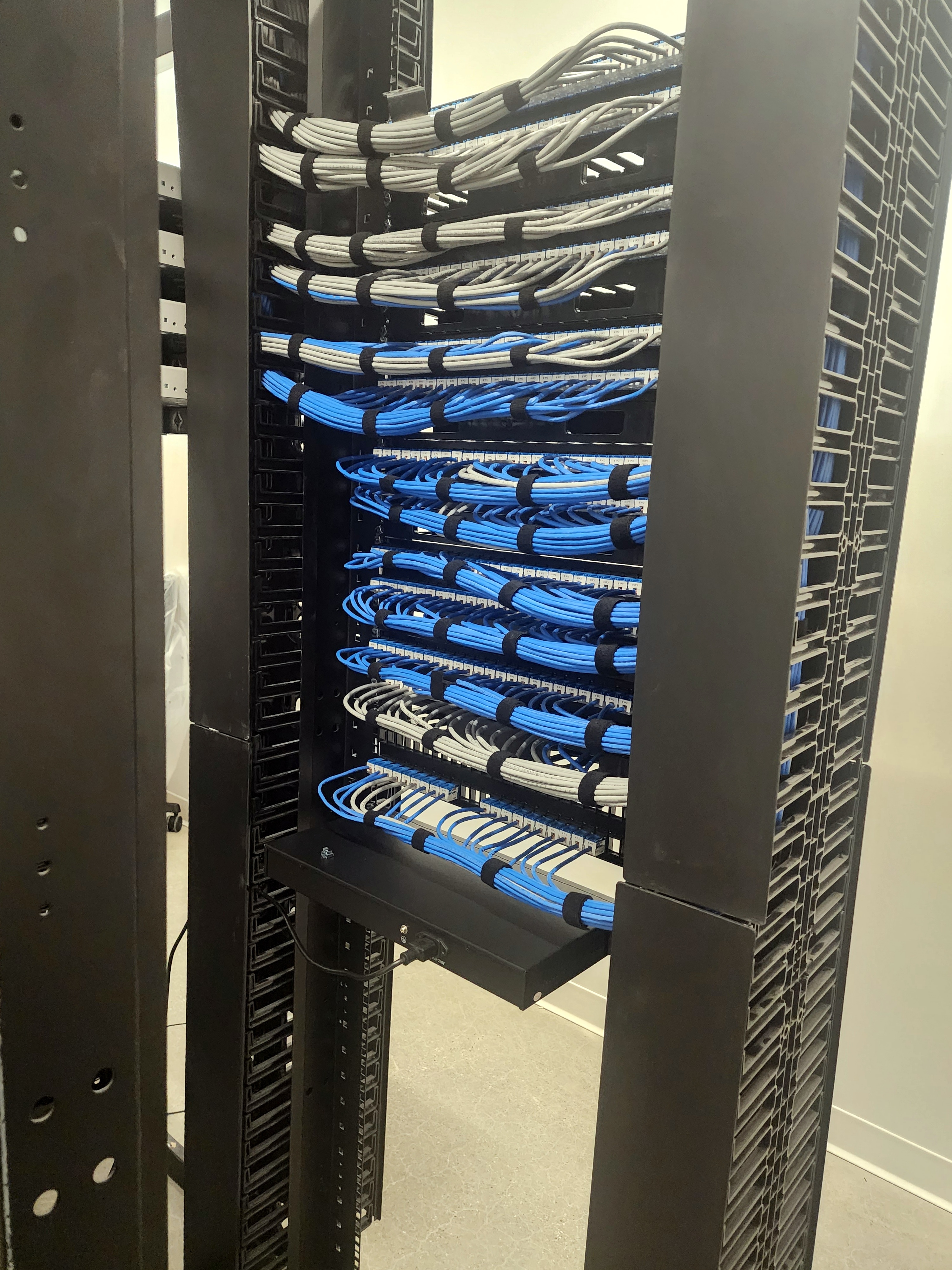
  • Network closets and equipment rooms

  • Power over Ethernet (PoE) devices


A properly managed infrastructure creates a reliable foundation that supports daily operations while allowing for future growth.


Businesses Are More Connected Than Ever


The average commercial facility now supports significantly more connected devices than it did just a few years ago.


These devices often include:


  • Employee laptops and workstations

  • Smartphones and tablets

  • VoIP phone systems

  • Wireless access points

  • Security cameras

  • Smart sensors and IoT devices

  • Access control systems


Without a properly designed infrastructure, network performance can quickly become a bottleneck.


Reliability Is Becoming a Competitive Advantage


Downtime is expensive. Even a short network outage can impact:


  • Employee productivity

  • Customer service

  • Communication systems

  • Security operations

  • Revenue-generating activities


Businesses are increasingly recognizing that investing in reliable infrastructure is far less expensive than dealing with repeated outages and performance issues.


Fiber Is Driving the Next Generation of Connectivity


Many organizations are upgrading their networks with fiber optic backbones to handle growing bandwidth demands.


Fiber offers several advantages:


  • High-speed data transmission

  • Greater bandwidth capacity

  • Long-distance connectivity

  • Reduced latency

  • Scalability for future growth


As more applications move to the cloud, fiber is becoming a standard component of commercial network design.


Wireless Performance Depends on Strong Infrastructure


Many businesses focus heavily on Wi-Fi, but wireless performance starts with wired infrastructure.


Every wireless access point relies on:


  • Structured cabling

  • PoE connectivity

  • Switch capacity

  • Backbone bandwidth


Poor infrastructure often results in weak wireless coverage, dropped connections, and frustrated users.


Professional network design ensures wireless systems operate efficiently throughout the facility.


Security Systems Require Reliable Connectivity


Modern security systems depend on network infrastructure more than ever before.


Connected security technologies include:


  • IP security cameras

  • Access control systems

  • Video storage systems

  • Alarm monitoring devices


Reliable cabling ensures these systems remain operational and responsive at all times.


Scalability Matters More Than Ever


Technology requirements rarely stay the same. Businesses need infrastructure that can grow alongside their operations.


Scalable network infrastructure supports:


  • Additional employees

  • New workstations

  • Expanded security systems

  • More wireless access points

  • Future technology upgrades


Planning for growth today helps avoid costly infrastructure replacements tomorrow.


Organized Infrastructure Reduces Long-Term Costs


One of the biggest benefits of managed infrastructure is organization.


Professional installations include:


  • Structured cable pathways

  • Network closet organization

  • Clear labeling

  • Documentation and testing

  • Proper cable management


This reduces troubleshooting time, simplifies upgrades, and lowers long-term maintenance costs.


Industries Leading Infrastructure Investments


Organizations across many industries are investing heavily in network infrastructure improvements, including:


  • Corporate offices

  • Warehouses and distribution centers

  • Manufacturing facilities

  • Healthcare organizations

  • Educational campuses

  • Retail and hospitality businesses


Reliable connectivity has become essential regardless of industry.


Why Businesses Choose Progressive Cabling


Progressive Cabling provides professional low-voltage and structured cabling services nationwide. Businesses trust us because we deliver:


  • Cat6 and Cat6A installations

  • Fiber optic backbone solutions

  • Wireless access point cabling

  • Security camera infrastructure

  • Access control system cabling

  • Organized, code-compliant installations

  • Scalable solutions designed for future growth


We focus on building infrastructure that supports business performance for years to come.


Invest in Infrastructure That Supports Growth


As technology continues to evolve, businesses need networks that are reliable, scalable, and prepared for the future. Investing in structured cabling, fiber infrastructure, and professional network design creates a foundation that supports productivity, security, and long-term success.


If your organization is planning upgrades, expansion, or new construction, now is the time to evaluate your network infrastructure.


Contact Progressive Cabling today to learn how professional structured cabling and low-voltage solutions can help your business stay connected, secure, and ready for what's next.

Why Professional Cabling Demolition Services Matter for Commercial Renovation Projects

21 May 2026

As businesses upgrade technology, relocate offices, or renovate commercial spaces, old network infrastructure is often left behind. Abandoned cabling above ceilings, in conduits, and inside network closets can quickly become a major problem if not removed properly. That’s why more organizations nationwide are investing in professional cabling demolition services as part of their renovation and upgrade projects.

Read More

Why Your Business Needs a Professional Low-Voltage Contractor (Not Just an Electrician)

7 May 2026


When planning network infrastructure, security systems, or communication upgrades, many businesses assume a general electrician can handle the job. While electricians play a critical role in power distribution, low-voltage systems require a specialized skill set. Hiring the right professional can be the difference between a network that performs reliably and one that constantly causes issues.


Across commercial projects nationwide, businesses are turning to professional low-voltage contractors to ensure their systems are installed correctly, efficiently, and built for long-term success. At Progressive Cabling, we specialize in structured cabling and low-voltage infrastructure designed specifically for modern business environments.


Understanding the Difference: Electrician vs. Low-Voltage Contractor


Electricians are trained to handle high-voltage electrical systems such as power distribution, lighting, and breakers. Low-voltage contractors, on the other hand, focus on systems that carry data, communication, and control signals.


Low-voltage systems include:


  • Network cabling (Cat6, Cat6A, fiber)

  • Security camera systems

  • Door access control (card readers, keypads)

  • Wireless access points

  • Intercom and paging systems

  • Smart building and IoT devices


These systems require precision, planning, and knowledge of data performance—not just power delivery.


Why Low-Voltage Requires Specialized Expertise


Low-voltage systems are highly sensitive to installation quality. Poor routing, improper termination, or incorrect cable types can lead to:


  • Slow network speeds

  • Intermittent connectivity issues

  • Signal interference

  • Device failures

  • Difficult troubleshooting


A professional low-voltage contractor understands how to design and install systems that maintain performance and reliability.


Structured Cabling Is More Than Running Wire


One of the biggest misconceptions is that cabling is simply “pulling wire from point A to point B.” In reality, structured cabling requires:


  • Strategic pathway planning

  • Proper cable separation and routing

  • Organized patch panels and racks

  • Accurate termination and testing

  • Clear labeling and documentation


Without these elements, networks quickly become disorganized and difficult to manage.


Supporting Modern Business Technology


Today’s commercial buildings rely on interconnected systems that must work together seamlessly. A low-voltage contractor ensures your infrastructure supports:


  • High-speed data networks

  • Reliable Wi-Fi coverage

  • Security cameras and surveillance systems

  • Access control and building security

  • VoIP communication systems

  • Smart building automation


Proper installation ensures these systems operate efficiently without interfering with one another.


Ensuring Code Compliance and Safety


Low-voltage cabling must still meet safety and building code requirements, including:


  • Proper cable ratings (plenum vs. riser)

  • Correct support and routing standards

  • Separation from high-voltage systems

  • Fire safety compliance


Professional contractors understand these requirements and ensure installations pass inspection without delays.


Better Organization and Long-Term Management


One of the biggest advantages of hiring a low-voltage specialist is the level of organization they bring to a project.


This includes:


  • Clean cable management

  • Clearly labeled connections

  • Documented network layouts

  • Organized network closets


This organization reduces downtime, simplifies maintenance, and makes future upgrades easier.


Scalability for Future Growth


Businesses grow, and technology evolves. A professional low-voltage contractor designs infrastructure with scalability in mind.


This means:


  • Extra capacity for future devices

  • Expandable network closets

  • Fiber backbone planning

  • Spare pathways for additional cabling


Planning ahead prevents costly rework later.


Reducing Long-Term Costs


While hiring a specialist may seem like a higher upfront investment, it saves money over time by:


  • Reducing troubleshooting and repair costs

  • Preventing performance issues

  • Extending the lifespan of infrastructure

  • Avoiding costly retrofits


Doing the job right the first time always pays off.


Industries That Benefit Most from Low-Voltage Expertise


Professional low-voltage contractors are essential for:


  • Corporate offices

  • Warehouses and distribution centers

  • Healthcare facilities

  • Educational institutions

  • Retail and hospitality environments

  • Multi-tenant commercial buildings


In these environments, network performance directly impacts daily operations.


Why Businesses Choose Progressive Cabling


Progressive Cabling provides professional low-voltage and structured cabling services nationwide. Businesses trust us because we deliver:


  • Expert Cat6, Cat6A, and fiber installations

  • Clean, organized, and code-compliant work

  • PoE-ready infrastructure for modern systems

  • Integration with cameras and access control

  • Scalable designs built for long-term growth


We focus on building infrastructure that works reliably and efficiently.


Choose the Right Partner for Your Infrastructure


Your network and low-voltage systems are too important to leave to guesswork. Hiring a professional low-voltage contractor ensures your infrastructure is built correctly, performs reliably, and supports your business for years to come.


If your organization is planning a new project or upgrade, make sure you have the right expertise on your side.


Contact Progressive Cabling today to learn how professional low-voltage installation can improve your network performance and support your business growth.


How to Reduce Network Downtime in Commercial Buildings

23 Apr 2026

Network downtime is one of the most costly and frustrating issues a business can face. Whether it’s a few minutes or several hours, lost connectivity can halt operations, disrupt communication, and impact revenue. For businesses nationwide, reducing downtime starts with one critical factor: reliable network infrastructure.

Read More

Office Computer Cabling DC NY Atlanta

How Structured Cabling Supports Business Continuity and Uptime

16 Apr 2026

In today’s always-connected world, even a few minutes of network downtime can disrupt operations, impact revenue, and damage customer trust. Businesses rely on constant connectivity for everything from communication and transactions to security and cloud-based applications. That’s why business continuity and uptime are top priorities—and both start with one critical component: structured cabling.

Read More

The Role of Network Cabling in Supporting Cloud-Based Business Operations

2 Apr 2026

Cloud computing has transformed how businesses operate. From file storage and collaboration tools to accounting systems and customer management platforms, companies nationwide are relying more than ever on cloud-based applications. While cloud services reduce the need for on-site servers, they significantly increase the demand on your network infrastructure.

Read More