
What Businesses Should Plan Before Opening
Moving into a new commercial space is an opportunity to build your technology infrastructure correctly from the beginning. Whether a company is opening a corporate office, warehouse, retail location, medical facility, or industrial space, network connectivity needs to be considered long before employees arrive.
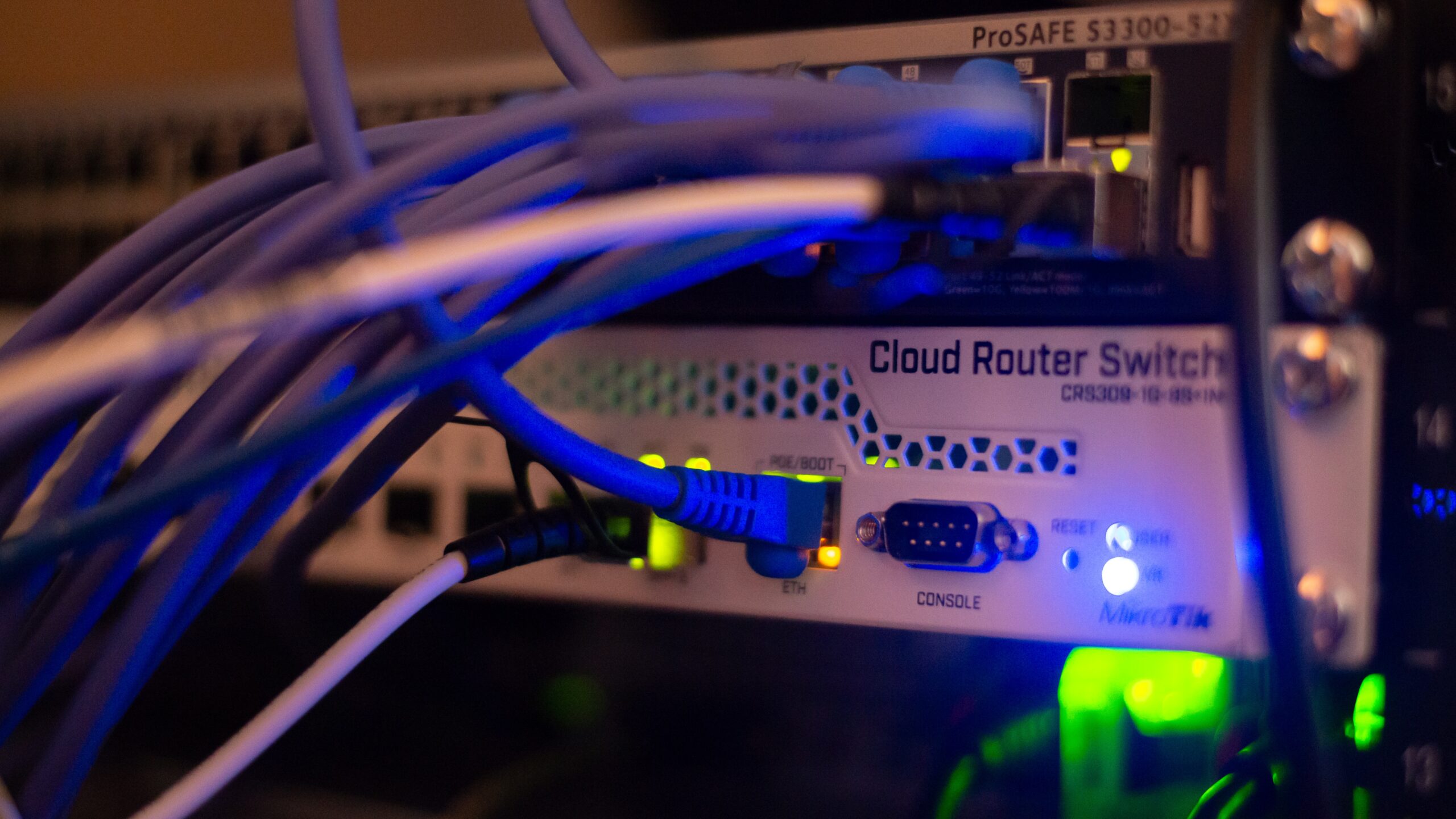
A professional commercial network cabling installation can provide the foundation for computers, wireless access points, security cameras, access control systems, phones, and other connected technology.
At Progressive Cabling, we help businesses nationwide complete structured cabling and low-voltage installations for tenant buildouts, renovations, expansions, and new commercial locations.
Why Network Cabling Should Be Planned Early
During a tenant buildout, contractors may be working on walls, ceilings, electrical systems, flooring, and other improvements simultaneously.
This creates an ideal opportunity to install low-voltage infrastructure.
Planning cabling early can make it easier to:
- Determine data drop locations
- Establish cable pathways
- Install network racks and patch panels
- Position wireless access points
- Plan camera locations
- Prepare doors for access control
- Install fiber between network rooms
Waiting until construction is nearly finished can make these installations more difficult and potentially increase labor requirements.
Determine How Many Data Drops You Need
Every business has different connectivity requirements.
An office may need dedicated network connections at each workstation, while a warehouse may require drops for shipping stations, printers, access points, cameras, and operational equipment.
Common data drop locations include:
- Employee workstations
- Conference rooms
- Reception desks
- Printers and copiers
- VoIP phones
- Wireless access points
- Security cameras
- Network equipment
Businesses should also consider installing additional drops for future expansion.
Having unused capacity available can make future technology additions much easier.
Cat6 or Cat6A for a Commercial Buildout?
Two common choices for modern commercial structured cabling are Cat6 and Cat6A.
Cat6 provides a strong solution for many standard commercial network installations, while Cat6A may be appropriate when higher-performance 10 Gigabit Ethernet over the full channel distance or additional future capacity is required.
The right option depends on factors such as:
- Network requirements
- Cable distances
- Device types
- PoE requirements
- Budget
- Expected future growth
A professional cabling contractor can evaluate the project and recommend the appropriate infrastructure instead of automatically specifying the most expensive cable.
Don’t Treat Wi-Fi as an Afterthought
Modern businesses depend heavily on wireless connectivity, but commercial Wi-Fi still requires wired infrastructure.
Wireless access points generally need Ethernet connections back to network switches, often with Power over Ethernet.
Planning AP locations during the buildout makes it possible to install cabling cleanly before ceilings and other finishes are completed.
This is particularly important for:
- Large offices
- Warehouses
- Manufacturing environments
- Multi-floor facilities
- High-density commercial spaces
Good wireless performance begins with a properly planned wired network.
Consider Fiber Between Network Closets
Larger facilities may require multiple telecommunications rooms or network closets.
When distances or bandwidth requirements make copper unsuitable, fiber optic cabling can provide backbone connectivity between these locations.
Fiber can be useful for:
- MDF-to-IDF connections
- Multi-floor buildings
- Large warehouses
- Campus environments
- Connections between buildings
Installing fiber pathways during a tenant buildout can also make future network expansion significantly easier.
Plan Security Camera Cabling Before Construction Ends
Security cameras are another system that should be considered early.
Businesses may need surveillance coverage around:
- Entrances and exits
- Reception areas
- Parking areas
- Loading docks
- Warehouse aisles
- Inventory areas
- Hallways
- Equipment rooms
Modern IP cameras commonly use network cabling and PoE, allowing data and power to travel over the same Ethernet connection.
Installing camera cabling during the buildout can provide cleaner pathways and better camera placement than adding it after the facility is occupied.
Include Door Access Control in the Buildout
Tenant improvements are also an excellent time to install commercial access control systems.
Depending on the facility, access control may include:
- Card readers
- Keypads
- Electronic locking hardware
- Request-to-exit devices
- Door contacts
- Access control panels
Businesses can use access control to manage entry into offices, warehouses, server rooms, inventory areas, and other restricted spaces.
Planning these systems while doors, walls, and ceilings are accessible can simplify installation considerably.
Build the Network Closet Correctly
One of the most important parts of a tenant buildout is the network closet.
A professionally planned telecommunications space may include:
- Network racks or cabinets
- Patch panels
- Horizontal and vertical cable management
- Fiber enclosures
- Properly labeled connections
- Organized equipment placement
A clean network closet isn’t simply about appearance. It can make troubleshooting, equipment replacement, and future expansion much easier.
Remove Old Cabling Before Installing New Infrastructure
Businesses moving into previously occupied commercial spaces may inherit years of abandoned cabling.
Old Cat5e, telephone, camera, fiber, and other low-voltage wiring can create clutter and make new installations more difficult.
Professional cabling demolition and abandoned cable removal can help clear existing pathways before new infrastructure is installed.
Removing unused cabling can provide a cleaner starting point for the new tenant’s technology systems.
Label and Test the Installation
A professional commercial cabling project shouldn’t end when the final cable is terminated.
Proper labeling helps identify connections between wall outlets, patch panels, cameras, access points, and other devices.
Testing can also verify that installed data cabling performs as intended.
These steps make the infrastructure easier for IT teams and future contractors to understand and maintain.
Commercial Tenant Buildout Services from Progressive Cabling
Progressive Cabling provides commercial low-voltage services for businesses nationwide.
Our capabilities include:
- Cat6 structured cabling
- Cat6A cabling
- Fiber optic installation
- Data drops
- Wireless access point cabling
- Security camera cabling
- Door access control
- Card reader and keypad installation
- Network rack and patch panel installation
- Cable testing and certification
- Cabling demolition and removal
Whether you’re preparing one office or coordinating infrastructure across multiple locations, professional planning can help create a consistent and scalable network foundation.
Start Your Tenant Buildout with the Right Network Infrastructure
Walls, flooring, and furniture may define how a new commercial space looks, but the infrastructure behind those finishes determines how effectively the business stays connected.
Planning network cabling early gives businesses an opportunity to create organized pathways, position devices correctly, prepare for future growth, and reduce the need for disruptive installation work after opening.
If your company is planning a commercial tenant buildout, office renovation, warehouse buildout, or new business location, contact Progressive Cabling for a quote on structured cabling and low-voltage installation.
Build the network correctly before opening the doors—and give your business infrastructure that’s ready to grow.

