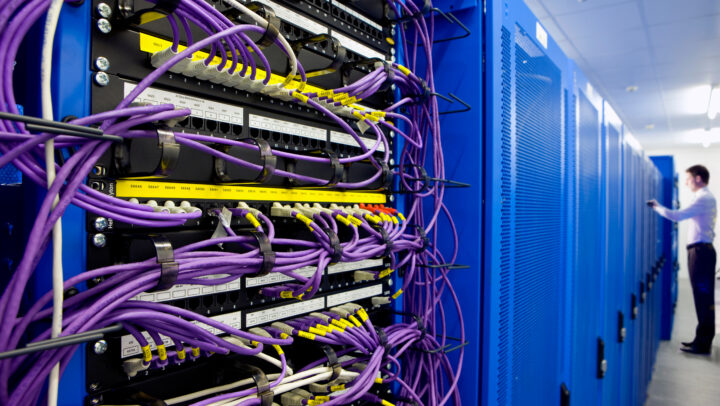
Technology is evolving faster than ever, and businesses are becoming increasingly dependent on reliable connectivity. From cloud applications and remote collaboration to security systems and smart building technologies, nearly every business operation relies on a stable network. As a result, many organizations are moving away from reactive IT management and investing in managed network infrastructure that provides better performance, reliability, and scalability.
For businesses nationwide, modern network infrastructure is no longer just an IT expense—it's a critical business asset. At Progressive Cabling, we help organizations build the structured cabling and low-voltage infrastructure needed to support today's demanding network environments.
What Is Managed Network Infrastructure?
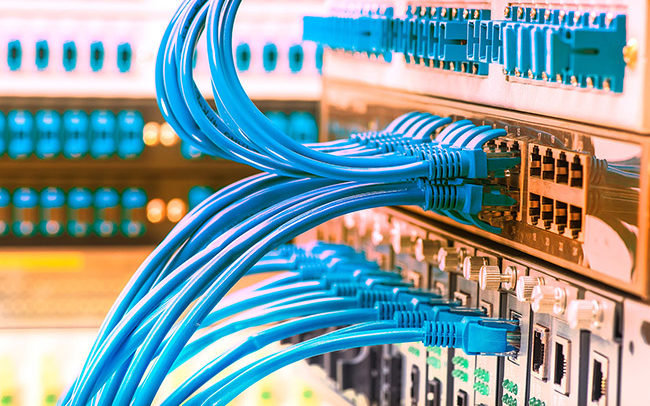
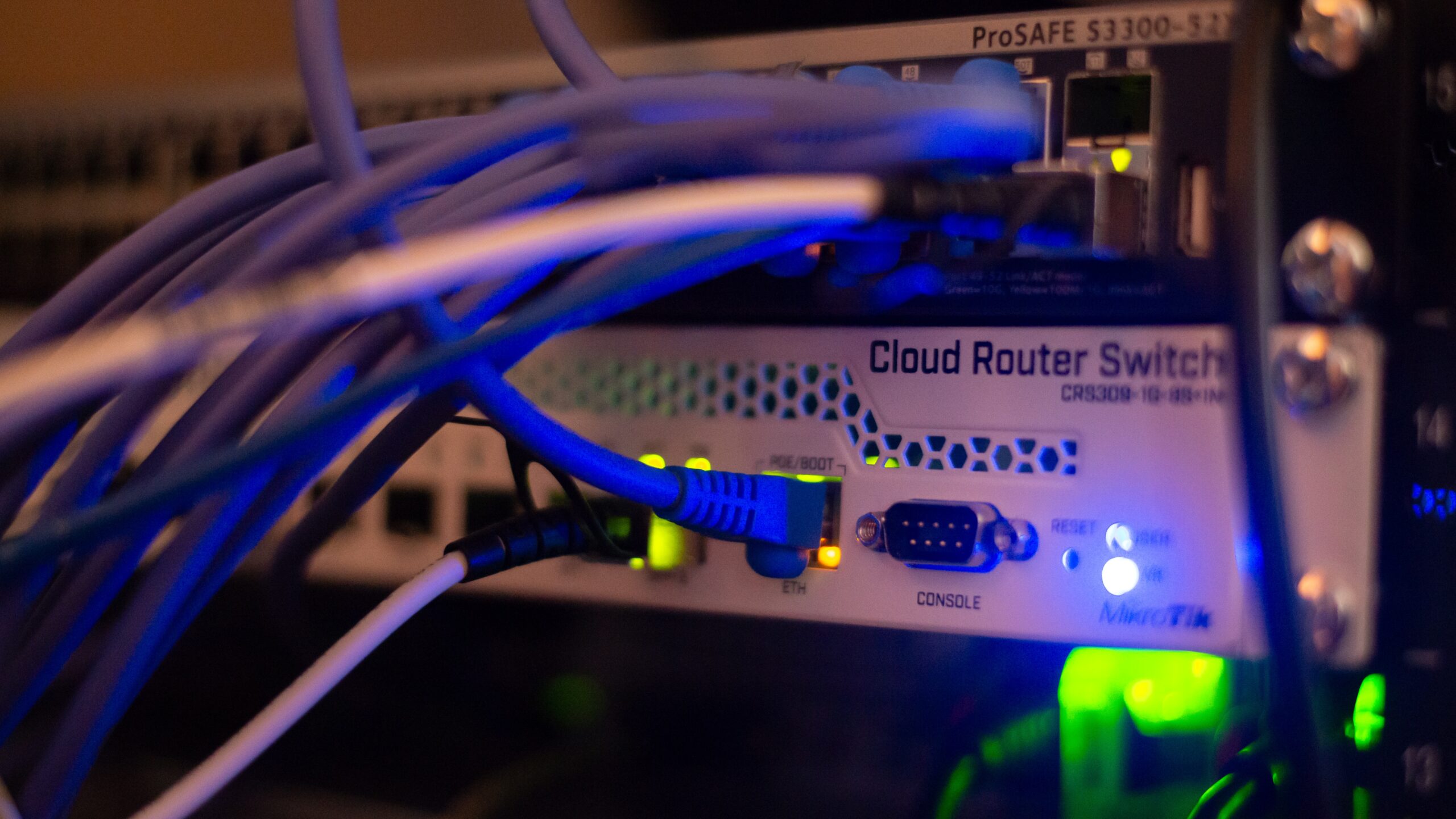
Managed network infrastructure refers to a professionally designed and maintained network environment that supports all business technology systems.
This includes:
- Structured cabling systems
- Fiber optic backbones
- Wireless access points
- Security cameras
- Access control systems
- Network closets and equipment rooms
- Power over Ethernet (PoE) devices
A properly managed infrastructure creates a reliable foundation that supports daily operations while allowing for future growth.
Businesses Are More Connected Than Ever
The average commercial facility now supports significantly more connected devices than it did just a few years ago.
These devices often include:
- Employee laptops and workstations
- Smartphones and tablets
- VoIP phone systems
- Wireless access points
- Security cameras
- Smart sensors and IoT devices
- Access control systems
Without a properly designed infrastructure, network performance can quickly become a bottleneck.
Reliability Is Becoming a Competitive Advantage
Downtime is expensive. Even a short network outage can impact:
- Employee productivity
- Customer service
- Communication systems
- Security operations
- Revenue-generating activities
Businesses are increasingly recognizing that investing in reliable infrastructure is far less expensive than dealing with repeated outages and performance issues.
Fiber Is Driving the Next Generation of Connectivity
Many organizations are upgrading their networks with fiber optic backbones to handle growing bandwidth demands.
Fiber offers several advantages:
- High-speed data transmission
- Greater bandwidth capacity
- Long-distance connectivity
- Reduced latency
- Scalability for future growth
As more applications move to the cloud, fiber is becoming a standard component of commercial network design.
Wireless Performance Depends on Strong Infrastructure
Many businesses focus heavily on Wi-Fi, but wireless performance starts with wired infrastructure.
Every wireless access point relies on:
- Structured cabling
- PoE connectivity
- Switch capacity
- Backbone bandwidth
Poor infrastructure often results in weak wireless coverage, dropped connections, and frustrated users.
Professional network design ensures wireless systems operate efficiently throughout the facility.
Security Systems Require Reliable Connectivity
Modern security systems depend on network infrastructure more than ever before.
Connected security technologies include:
- IP security cameras
- Access control systems
- Video storage systems
- Alarm monitoring devices
Reliable cabling ensures these systems remain operational and responsive at all times.
Scalability Matters More Than Ever
Technology requirements rarely stay the same. Businesses need infrastructure that can grow alongside their operations.
Scalable network infrastructure supports:
- Additional employees
- New workstations
- Expanded security systems
- More wireless access points
- Future technology upgrades
Planning for growth today helps avoid costly infrastructure replacements tomorrow.
Organized Infrastructure Reduces Long-Term Costs
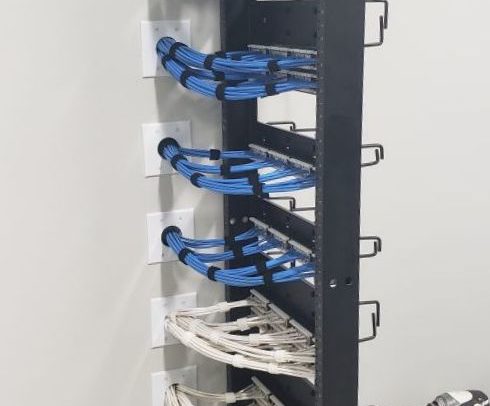
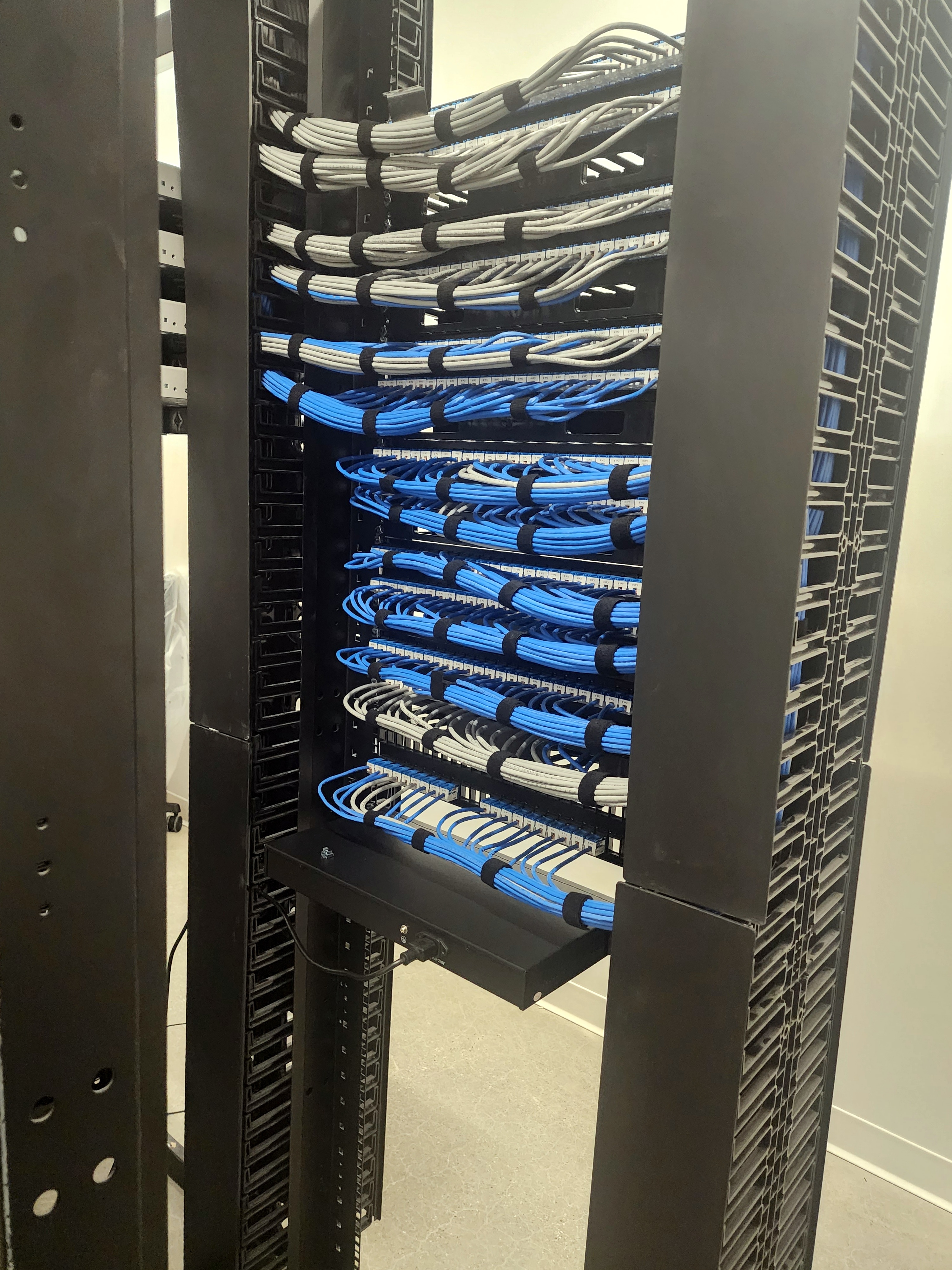
One of the biggest benefits of managed infrastructure is organization.
Professional installations include:
- Structured cable pathways
- Network closet organization
- Clear labeling
- Documentation and testing
- Proper cable management
This reduces troubleshooting time, simplifies upgrades, and lowers long-term maintenance costs.
Industries Leading Infrastructure Investments
Organizations across many industries are investing heavily in network infrastructure improvements, including:
- Corporate offices
- Warehouses and distribution centers
- Manufacturing facilities
- Healthcare organizations
- Educational campuses
- Retail and hospitality businesses
Reliable connectivity has become essential regardless of industry.
Why Businesses Choose Progressive Cabling
Progressive Cabling provides professional low-voltage and structured cabling services nationwide. Businesses trust us because we deliver:
- Cat6 and Cat6A installations
- Fiber optic backbone solutions
- Wireless access point cabling
- Security camera infrastructure
- Access control system cabling
- Organized, code-compliant installations
- Scalable solutions designed for future growth
We focus on building infrastructure that supports business performance for years to come.
Invest in Infrastructure That Supports Growth
As technology continues to evolve, businesses need networks that are reliable, scalable, and prepared for the future. Investing in structured cabling, fiber infrastructure, and professional network design creates a foundation that supports productivity, security, and long-term success.
If your organization is planning upgrades, expansion, or new construction, now is the time to evaluate your network infrastructure.
Contact Progressive Cabling today to learn how professional structured cabling and low-voltage solutions can help your business stay connected, secure, and ready for what's next.