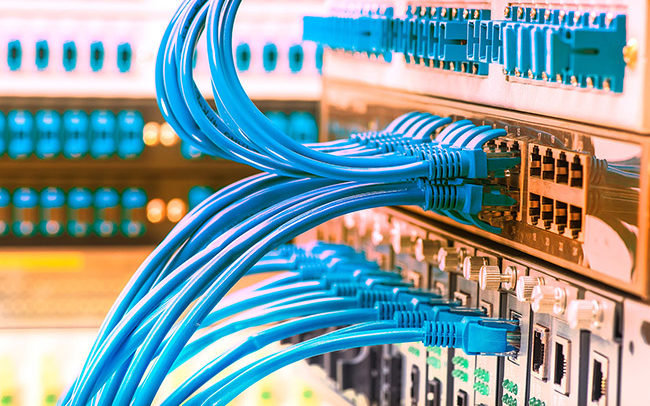
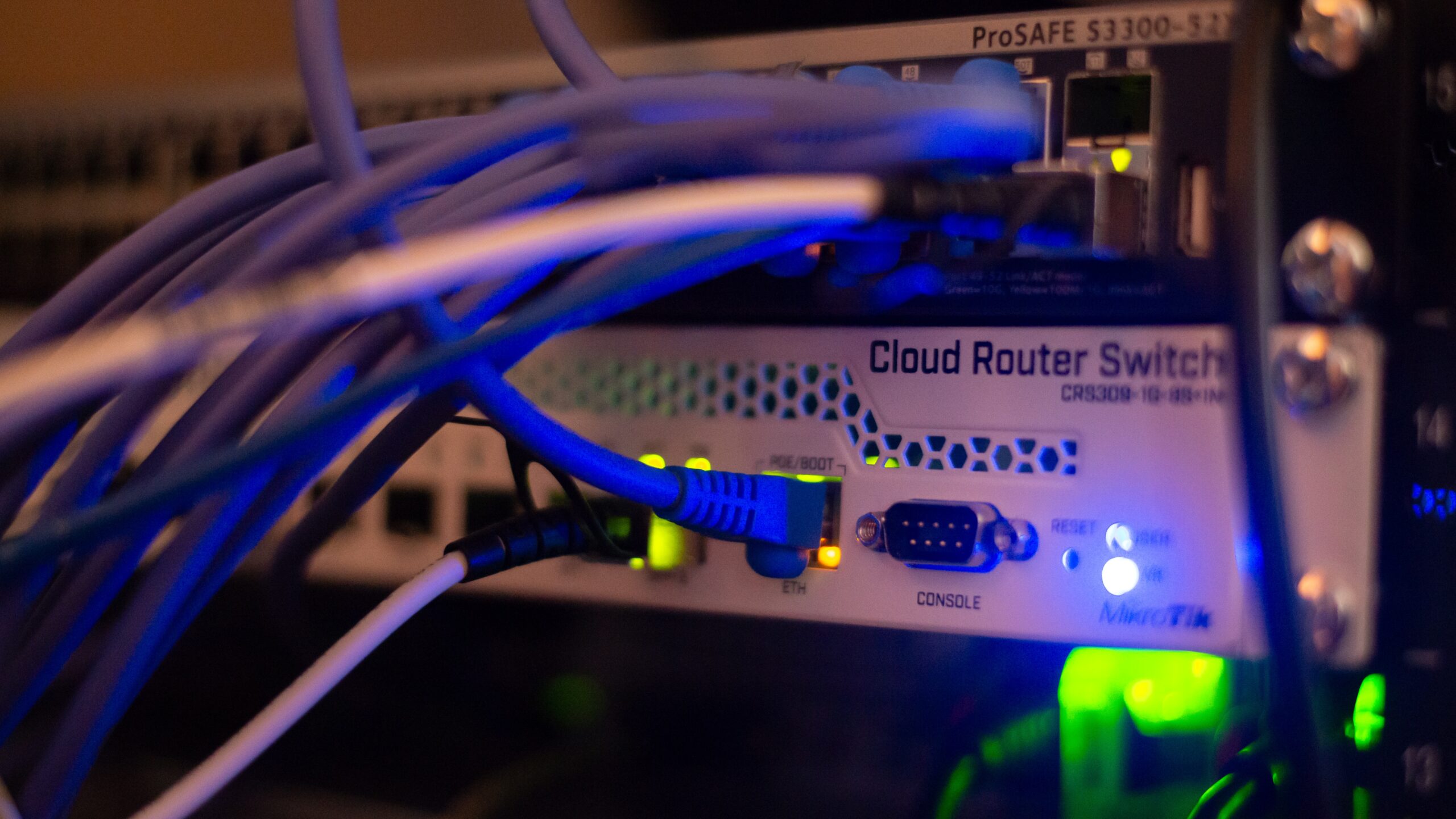
Industrial Network Cabling in Atlanta, GA: Reliable Infrastructure for Manufacturing Facilities

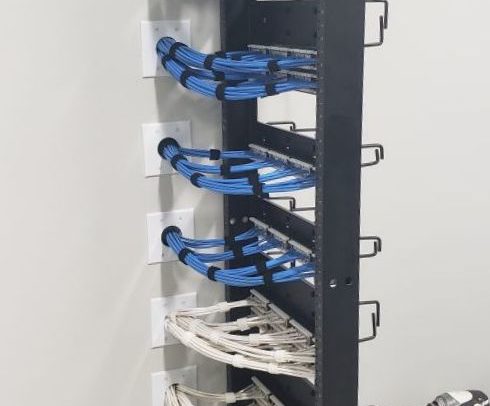
Office Data Cabling in Atlanta, GA: Professional Data Drops for Modern Businesses

Commercial Access Control Installation in Atlanta, GA: A Smarter Way to Secure Your Business

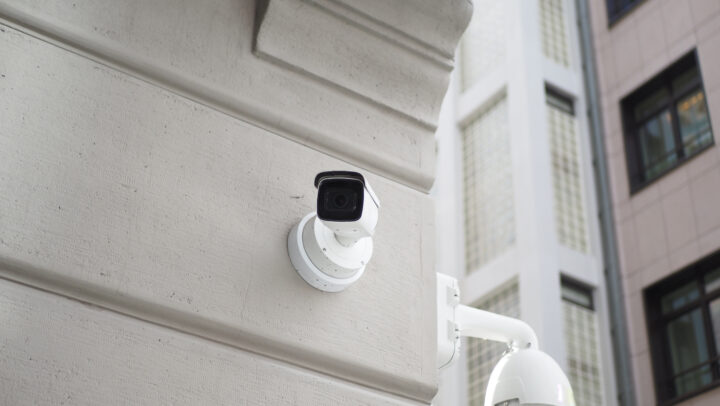
Commercial Security Camera Cabling in Atlanta, GA: Building a Reliable Surveillance Network
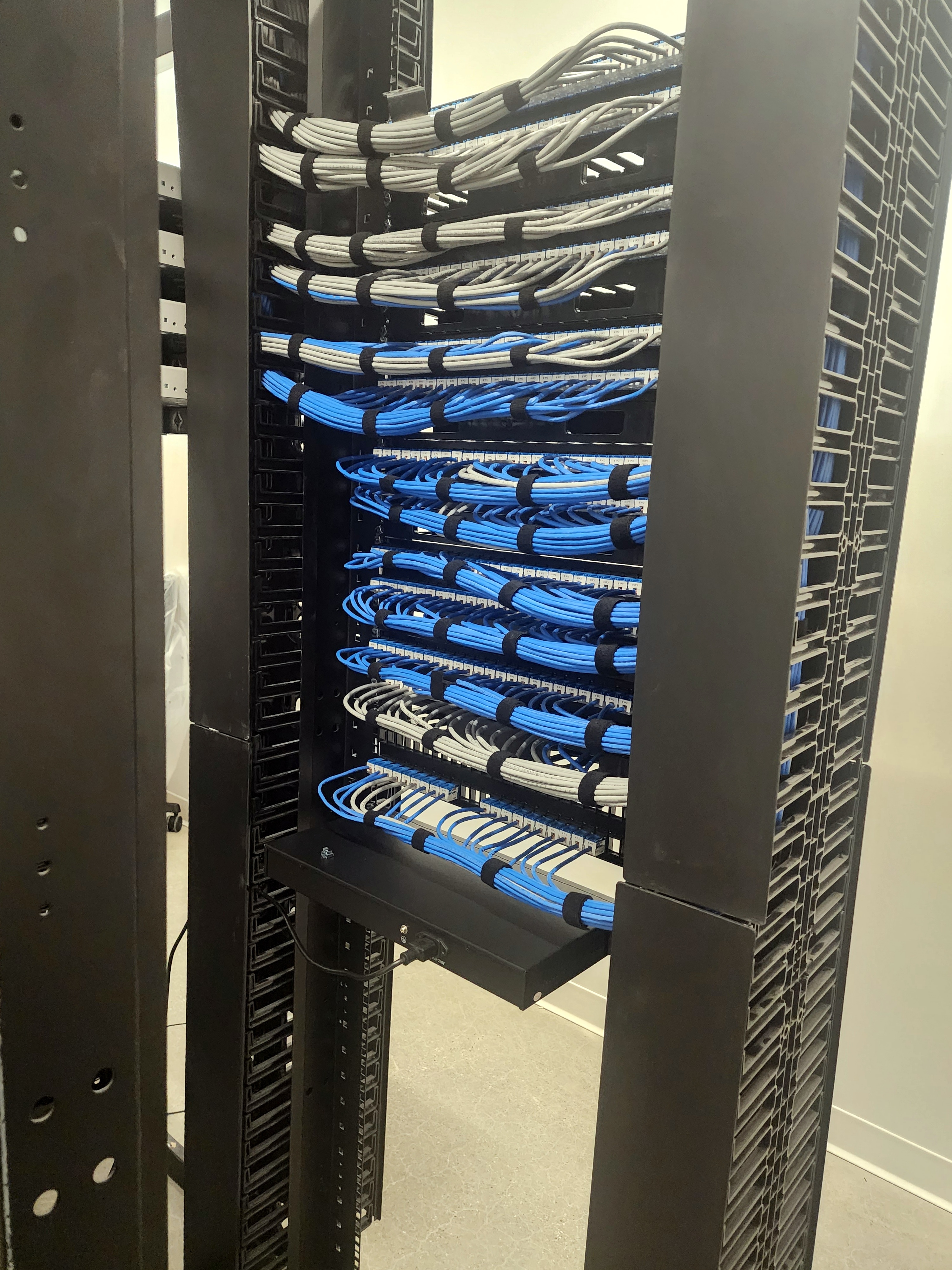
Atlanta Commercial Network Cabling Upgrades: When Is It Time to Replace Your Old Data Cabling?

What Businesses Should Plan Before Opening
Moving into a new commercial space is an opportunity to build your technology infrastructure correctly from the beginning. Whether a company is opening a corporate office, warehouse, retail location, medical facility, or industrial space, network connectivity needs to be considered long before employees arrive.

Why Commercial Businesses Need a Scalable Network Infrastructure Strategy
Technology is constantly evolving, and businesses that plan only for today's needs often find themselves facing expensive upgrades sooner than expected. Whether you're adding employees, expanding into new office space, upgrading security systems, or adopting cloud-based software, your network infrastructure needs to grow alongside your business.

Structured Cabling Supports Smart Building Technology in Modern Commercial Spaces
Commercial buildings are becoming smarter than ever before. From automated lighting and climate control to advanced security systems and occupancy sensors, smart building technology is helping businesses improve efficiency, reduce operating costs, and create better experiences for employees and customers. While these technologies receive much of the attention, they all rely on one critical component: a reliable structured cabling system.

Why Businesses Should Include Low-Voltage Infrastructure in Every Commercial Buildout
When planning a commercial buildout, most businesses focus on flooring, lighting, HVAC systems, and office layouts. While these elements are important, one critical component often gets pushed to the end of the project: low-voltage infrastructure. Waiting until after construction is complete to plan network cabling, fiber, security systems, and wireless infrastructure can lead to higher costs, project delays, and unnecessary disruptions.