Why Your Business Needs a Professional Low-Voltage Contractor (Not Just an Electrician)

7 May 2026


When planning network infrastructure, security systems, or communication upgrades, many businesses assume a general electrician can handle the job. While electricians play a critical role in power distribution, low-voltage systems require a specialized skill set. Hiring the right professional can be the difference between a network that performs reliably and one that constantly causes issues.


Across commercial projects nationwide, businesses are turning to professional low-voltage contractors to ensure their systems are installed correctly, efficiently, and built for long-term success. At Progressive Cabling, we specialize in structured cabling and low-voltage infrastructure designed specifically for modern business environments.


Understanding the Difference: Electrician vs. Low-Voltage Contractor


Electricians are trained to handle high-voltage electrical systems such as power distribution, lighting, and breakers. Low-voltage contractors, on the other hand, focus on systems that carry data, communication, and control signals.


Low-voltage systems include:


  • Network cabling (Cat6, Cat6A, fiber)

  • Security camera systems

  • Door access control (card readers, keypads)

  • Wireless access points

  • Intercom and paging systems

  • Smart building and IoT devices


These systems require precision, planning, and knowledge of data performance—not just power delivery.


Why Low-Voltage Requires Specialized Expertise


Low-voltage systems are highly sensitive to installation quality. Poor routing, improper termination, or incorrect cable types can lead to:


  • Slow network speeds

  • Intermittent connectivity issues

  • Signal interference

  • Device failures

  • Difficult troubleshooting


A professional low-voltage contractor understands how to design and install systems that maintain performance and reliability.


Structured Cabling Is More Than Running Wire


One of the biggest misconceptions is that cabling is simply “pulling wire from point A to point B.” In reality, structured cabling requires:


  • Strategic pathway planning

  • Proper cable separation and routing

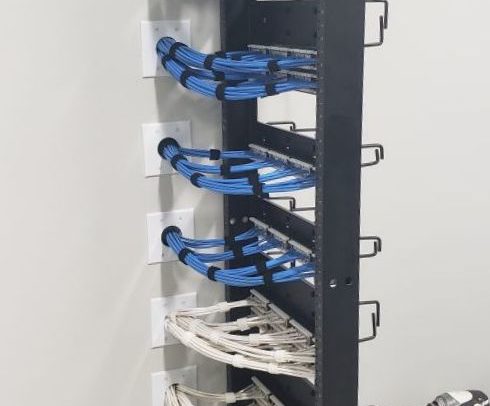
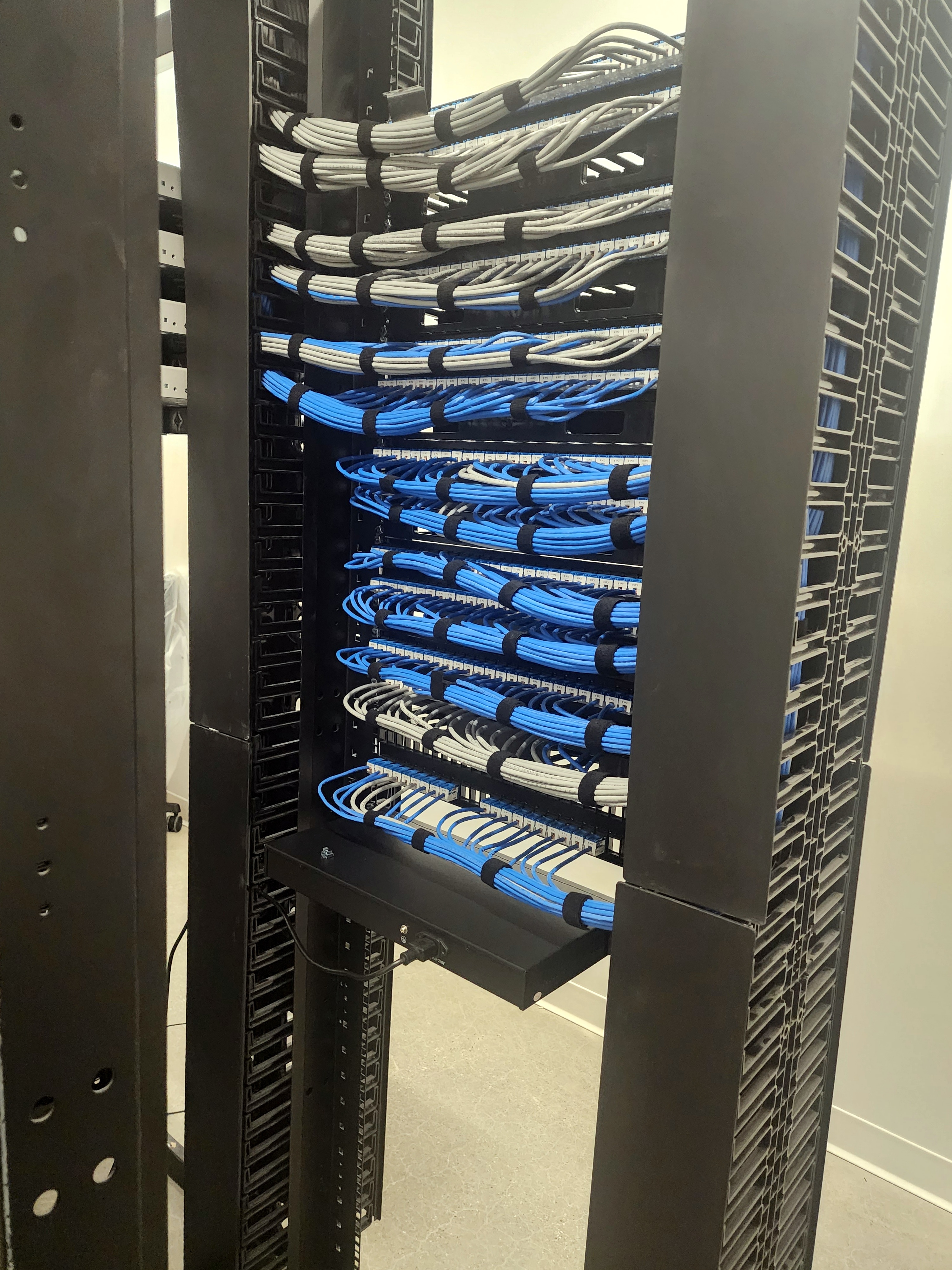
  • Organized patch panels and racks

  • Accurate termination and testing

  • Clear labeling and documentation


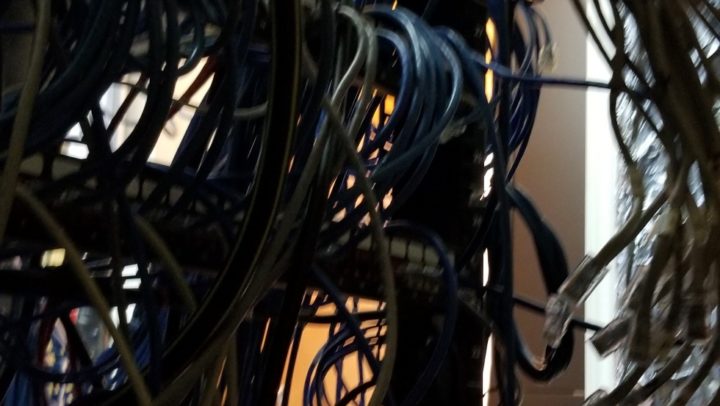
Without these elements, networks quickly become disorganized and difficult to manage.


Supporting Modern Business Technology


Today’s commercial buildings rely on interconnected systems that must work together seamlessly. A low-voltage contractor ensures your infrastructure supports:


  • High-speed data networks

  • Reliable Wi-Fi coverage

  • Security cameras and surveillance systems

  • Access control and building security

  • VoIP communication systems

  • Smart building automation


Proper installation ensures these systems operate efficiently without interfering with one another.


Ensuring Code Compliance and Safety


Low-voltage cabling must still meet safety and building code requirements, including:


  • Proper cable ratings (plenum vs. riser)

  • Correct support and routing standards

  • Separation from high-voltage systems

  • Fire safety compliance


Professional contractors understand these requirements and ensure installations pass inspection without delays.


Better Organization and Long-Term Management


One of the biggest advantages of hiring a low-voltage specialist is the level of organization they bring to a project.


This includes:


  • Clean cable management

  • Clearly labeled connections

  • Documented network layouts

  • Organized network closets


This organization reduces downtime, simplifies maintenance, and makes future upgrades easier.


Scalability for Future Growth


Businesses grow, and technology evolves. A professional low-voltage contractor designs infrastructure with scalability in mind.


This means:


  • Extra capacity for future devices

  • Expandable network closets

  • Fiber backbone planning

  • Spare pathways for additional cabling


Planning ahead prevents costly rework later.


Reducing Long-Term Costs


While hiring a specialist may seem like a higher upfront investment, it saves money over time by:


  • Reducing troubleshooting and repair costs

  • Preventing performance issues

  • Extending the lifespan of infrastructure

  • Avoiding costly retrofits


Doing the job right the first time always pays off.


Industries That Benefit Most from Low-Voltage Expertise


Professional low-voltage contractors are essential for:


  • Corporate offices

  • Warehouses and distribution centers

  • Healthcare facilities

  • Educational institutions

  • Retail and hospitality environments

  • Multi-tenant commercial buildings


In these environments, network performance directly impacts daily operations.


Why Businesses Choose Progressive Cabling


Progressive Cabling provides professional low-voltage and structured cabling services nationwide. Businesses trust us because we deliver:


  • Expert Cat6, Cat6A, and fiber installations

  • Clean, organized, and code-compliant work

  • PoE-ready infrastructure for modern systems

  • Integration with cameras and access control

  • Scalable designs built for long-term growth


We focus on building infrastructure that works reliably and efficiently.


Choose the Right Partner for Your Infrastructure


Your network and low-voltage systems are too important to leave to guesswork. Hiring a professional low-voltage contractor ensures your infrastructure is built correctly, performs reliably, and supports your business for years to come.


If your organization is planning a new project or upgrade, make sure you have the right expertise on your side.


Contact Progressive Cabling today to learn how professional low-voltage installation can improve your network performance and support your business growth.


Office Computer Cabling DC NY Atlanta

How Structured Cabling Supports Business Continuity and Uptime

16 Apr 2026

In today’s always-connected world, even a few minutes of network downtime can disrupt operations, impact revenue, and damage customer trust. Businesses rely on constant connectivity for everything from communication and transactions to security and cloud-based applications. That’s why business continuity and uptime are top priorities—and both start with one critical component: structured cabling.

Read More

The Role of Network Cabling in Supporting Cloud-Based Business Operations

2 Apr 2026

Cloud computing has transformed how businesses operate. From file storage and collaboration tools to accounting systems and customer management platforms, companies nationwide are relying more than ever on cloud-based applications. While cloud services reduce the need for on-site servers, they significantly increase the demand on your network infrastructure.

Read More

How Professional Network Cabling Improves Business Productivity

17 Mar 2026

In today’s connected business environment, productivity depends heavily on reliable network infrastructure. From cloud applications and video conferencing to security systems and wireless connectivity, nearly every aspect of daily operations relies on a stable network. However, many businesses underestimate how much professional network cabling impacts performance and efficiency.


For companies nationwide, investing in properly installed structured cabling can dramatically improve reliability, reduce downtime, and help employees work more efficiently. At Progressive Cabling, we design and install network infrastructure that supports productivity, security, and long-term growth.


The Foundation of Every Business Network


Behind every high-performing network is a structured cabling system that connects all devices and systems throughout a building. This includes connections for:


  • Workstations and office computers


  • Wireless access points


  • VoIP phone systems


  • Security cameras and surveillance systems


  • Door access control devices


  • Servers and network equipment


When cabling is installed correctly, these systems communicate smoothly and consistently. When it’s poorly installed, network interruptions and slow performance become common problems.


Reducing Network Downtime


One of the biggest threats to productivity is network downtime. When connections drop or systems fail, employees are unable to complete tasks, communicate with clients, or access important information.


Professional network cabling reduces downtime by ensuring:


  • Stable and consistent connectivity


  • Proper termination and testing of cables


  • Reduced interference and signal loss


  • Organized and clearly labeled infrastructure


A reliable network allows businesses to operate without interruptions.


Supporting Faster Data Speeds


Modern businesses rely on high-speed data transfer for everyday operations. Video meetings, file sharing, cloud applications, and remote collaboration all require strong network performance.


Upgrading to modern structured cabling such as Cat6 or Cat6A allows organizations to support:


  • Faster workstation connections


  • High-performance wireless networks


  • Reliable video conferencing


  • Cloud-based platforms and applications


Faster data speeds mean employees spend less time waiting for systems to respond.


Improving Wireless Network Performance


Even wireless networks rely on wired infrastructure. Each wireless access point must connect back to the network through data cabling.


Professional cabling ensures:


  • Access points are placed strategically


  • Reliable Power over Ethernet (PoE) delivery


  • Stable backhaul connectivity


  • Consistent Wi-Fi coverage throughout the building


This leads to stronger wireless performance and fewer connectivity complaints from employees or customers.


Simplifying Troubleshooting and Maintenance


Disorganized cabling often leads to complicated troubleshooting. Without proper labeling or structure, technicians must spend time tracing cables or testing ports to locate issues.


Structured cabling simplifies maintenance by providing:


  • Organized network closets


  • Clearly labeled patch panels


  • Logical cable pathways


  • Documentation of connections


This allows IT teams to resolve issues quickly and keep operations running smoothly.


Supporting Security and Smart Building Systems


Today’s commercial buildings depend on connected security systems. Cameras, access control readers, alarms, and building automation devices all rely on network infrastructure.


Professional cabling supports these systems by providing:


  • Stable PoE connections for cameras and access control


  • Reliable communication between devices and monitoring systems


  • Secure network pathways for sensitive data


This ensures that security systems remain functional and dependable.


Preparing for Business Growth


Technology needs rarely stay the same. As companies grow, they add more employees, devices, and systems. Without scalable infrastructure, expanding a network becomes expensive and disruptive.


Professional cabling installations are designed with growth in mind, including:


  • Extra data drops for future devices


  • Expandable network closets


  • Fiber backbones for high-speed connectivity


  • Structured layouts that support new technologies


Planning ahead prevents costly upgrades later.


Industries That Depend on Reliable Network Cabling


Reliable network infrastructure is essential for nearly every industry, including:


  • Corporate offices


  • Warehouses and logistics facilities


  • Healthcare organizations


  • Educational institutions


  • Retail businesses


  • Hospitality environments


In each of these industries, network performance directly affects productivity and customer experience.


Why Businesses Choose Progressive Cabling


Progressive Cabling provides professional network infrastructure services nationwide. Businesses trust us because we deliver:


  • Certified Cat6 and Cat6A installations


  • Fiber optic backbone solutions


  • Clean and organized cable management


  • PoE-ready infrastructure for cameras and access control


  • Code-compliant commercial installations


  • Scalable solutions designed for long-term growth


Our goal is to build networks that support efficiency, security, and reliability.


Build a Network That Supports Productivity


Reliable network infrastructure is one of the most valuable investments a business can make. When cabling is installed professionally and designed for performance, employees can work faster, systems remain stable, and organizations can focus on growth.


If your business is planning a network upgrade, expansion, or new construction project, professional structured cabling is the foundation for success.


Contact Progressive Cabling today to learn how expert network cabling can improve productivity and support your business operations.

Plenum vs. Riser Cat6 Cable: Choosing the Right Option for Commercial Projects in Georgia

10 Mar 2026

When planning a commercial network installation, choosing the right type of cable is just as important as selecting the right equipment. One of the most common questions businesses and contractors ask during a structured cabling project is whether to use plenum-rated or riser-rated Cat6 cable. While both support high-speed networking, they are designed for different environments and must meet specific building code requirements.

Read More

Warehouse Network Cabling Solutions: Building Reliable Infrastructure for High-Demand Operations

5 Mar 2026


Warehouses are no longer simple storage facilities. Today’s distribution centers and industrial spaces rely on real-time inventory tracking, wireless scanning systems, security cameras, access control, automation technology, and cloud-based management platforms. All of this depends on one critical element: reliable network cabling infrastructure.


For warehouses nationwide, investing in professionally designed structured cabling is essential for operational efficiency, security, and long-term scalability.


At Progressive Cabling, we design and install warehouse network cabling solutions that support performance in demanding, high-traffic environments.


Why Warehouses Have Unique Networking Needs


Warehouse environments present challenges that traditional office spaces do not. High ceilings, metal racking systems, long cable runs, heavy machinery, and fluctuating temperatures all impact network performance.


Without proper planning, warehouses often experience:


  • Wi-Fi dead zones between racks


  • Dropped scanner connections


  • Slow inventory updates


  • Unreliable security camera feeds


  • Network congestion during peak operations


A professionally designed cabling system solves these issues at the infrastructure level.


Structured Cabling as the Foundation


Structured cabling creates an organized framework that connects all devices within the warehouse. This includes:


  • Workstations and management offices


  • Wireless access points throughout the facility


  • Security cameras and NVR systems


  • Access control readers and keypads


  • Shipping and receiving systems


  • Automated equipment and sensors


Using Cat6 or Cat6a cabling, properly routed and terminated, ensures stable performance across all systems.


Fiber Optic Backbones for Large Facilities


Warehouses often span large square footage, making fiber optic cabling a critical component of the network backbone.


Fiber provides:


  • High-speed data transmission over long distances


  • Minimal signal loss across large buildings


  • Reliable connectivity between network closets


  • Strong support for high-bandwidth applications


  • Scalability for future expansion


By combining fiber backbones with structured copper cabling, warehouses achieve both speed and efficiency.


Supporting Warehouse Wi-Fi Coverage


Wireless coverage is vital in warehouses where employees rely on handheld scanners, tablets, and mobile devices. However, metal shelving and dense inventory can interfere with signals.


Proper network cabling ensures:


  • Strategically placed wireless access points


  • Dedicated data drops for ceiling-mounted APs


  • Stable Power over Ethernet (PoE) support


  • Balanced network load across the facility


This infrastructure ensures consistent connectivity in every aisle and work zone.


Security Camera and Access Control Integration


Warehouses store valuable inventory and equipment, making security a top priority. Modern facilities rely on integrated surveillance and access control systems.


Professional cabling supports:


  • High-resolution PoE security cameras


  • Perimeter and loading dock monitoring


  • Door access control systems


  • Integration with central monitoring platforms


  • Reliable recording and playback systems


Clean, organized cabling reduces the risk of camera outages and security vulnerabilities.


Planning for Growth and Automation


Many warehouses are adopting automation systems and smart technologies, including:


  • Inventory tracking sensors


  • Automated sorting equipment


  • Environmental monitoring systems


  • Real-time data analytics


A scalable cabling design ensures these technologies can be added without costly reinstallation.


Future-ready planning includes:


  • Spare conduits and pathways


  • Additional data drop capacity


  • Proper rack and switch space


  • PoE-ready infrastructure


This prevents disruption as operations expand.


Reducing Downtime Through Proper Installation


Warehouse downtime can disrupt shipping schedules and impact customer satisfaction. Properly installed cabling reduces risks by providing:


  • Organized network closets


  • Clearly labeled patch panels


  • Clean cable management


  • Code-compliant installations


  • Easier troubleshooting and maintenance


Reliable infrastructure supports consistent daily operations.


Industries That Rely on Warehouse Cabling Solutions


Warehouse network infrastructure is critical for:


  • Distribution centers


  • Manufacturing facilities


  • E-commerce fulfillment operations


  • Cold storage facilities


  • Industrial supply companies


  • Logistics and transportation hubs


In each case, performance and uptime are essential.


Why Businesses Choose Progressive Cabling


Progressive Cabling provides professional warehouse network cabling solutions nationwide. Businesses choose us because we deliver:


  • Structured Cat6 and Cat6a installations


  • Fiber optic backbone design


  • PoE-ready infrastructure for cameras and Wi-Fi


  • Organized, code-compliant network closets


  • Scalable solutions for automation and growth


  • Clean, professional workmanship


We build warehouse networks that support productivity, security, and expansion.


Build a Strong Network for Your Warehouse Operations


Warehouses operate at high speed — and your network should too. A professionally designed cabling system ensures reliable connectivity, improved security, and readiness for future growth.


If your warehouse is planning an upgrade, expansion, or new construction, now is the time to invest in infrastructure that performs.


Contact Progressive Cabling today to learn how professional warehouse network cabling can support your operations nationwide.


Structured Cabling Best Practices That Improve Network Performance and SEO-Driven Business Growth

17 Feb 2026

In today’s digital-first economy, a fast and reliable network isn’t just an IT requirement — it’s a business growth tool. From cloud platforms and VoIP systems to security cameras and smart building technology, everything depends on the quality of your underlying infrastructure. For businesses nationwide, following structured cabling best practices is one of the most effective ways to improve network performance, reduce downtime, and support long-term scalability.

Read More