Introduction
In today's world, ensuring the security of commercial and industrial properties is paramount. One of the most effective ways to bolster security is using motion sensor alarm systems. These systems utilize advanced technologies to detect movement, providing additional protection against unauthorized access and criminal activities. In this blog, we will explore the different types of motion sensors, their typical business applications, and the components of a modern motion sensor alarm system.
Types of Motion Sensors
Motion sensors, also known as motion detectors, are designed to detect movement using various technologies. They can be broadly categorized into two types: active and passive sensors.
Active Motion Sensors
Active sensors operate using radar technology. They emit radio waves that bounce off walls and objects within a designated area. When these waves are interrupted by movement, the sensor triggers an alarm. This type of sensor is highly effective in detecting motion in large, open spaces and is commonly used in industrial settings.
Passive Motion Sensors
Passive sensors, on the other hand, monitor infrared heat levels. They detect changes in ambient temperature caused by the infrared signature of a person or object entering their range. When a passive sensor identifies such a change, it triggers an alarm. These sensors detect unauthorized entry in smaller, more confined spaces like office buildings.
Typical Business Uses of Motion Sensors
Motion sensors offer a range of applications that enhance security and safety in commercial properties. Here are some of the most common uses:
Area Security
Monitoring restricted areas continuously in extensive facilities can be challenging. Motion detectors can be programmed to limit access to specific parts of the premises during certain times. For instance, a designated area may be off-limits after business hours. Any entry during this period will trigger an alarm, alerting security personnel.
Crime Prevention
Motion sensors can deter criminal activities such as vandalism and theft. The sensors can activate security lighting or sound loud alarms when motion is detected after hours. This immediate response can scare off intruders and alert nearby individuals or authorities to the presence of unauthorized personnel.
Lighting Activation
Linking lighting systems to motion sensors ensures that lights automatically turn on when someone enters a room or hallway. This conserves energy and enhances safety and security by illuminating dark areas that could otherwise pose a risk.
Monitoring Personnel Entry
Motion sensors can be integrated with entry systems to open doors for authorized personnel using a key card or access code. This improves security by eliminating the need for physical keys, which can be lost or stolen, necessitating costly lock replacements. Additionally, parking lot gates can be automatically opened when a sensor detects a valid pass, streamlining the entry process for employees.
Components of a Motion Sensor Alarm System
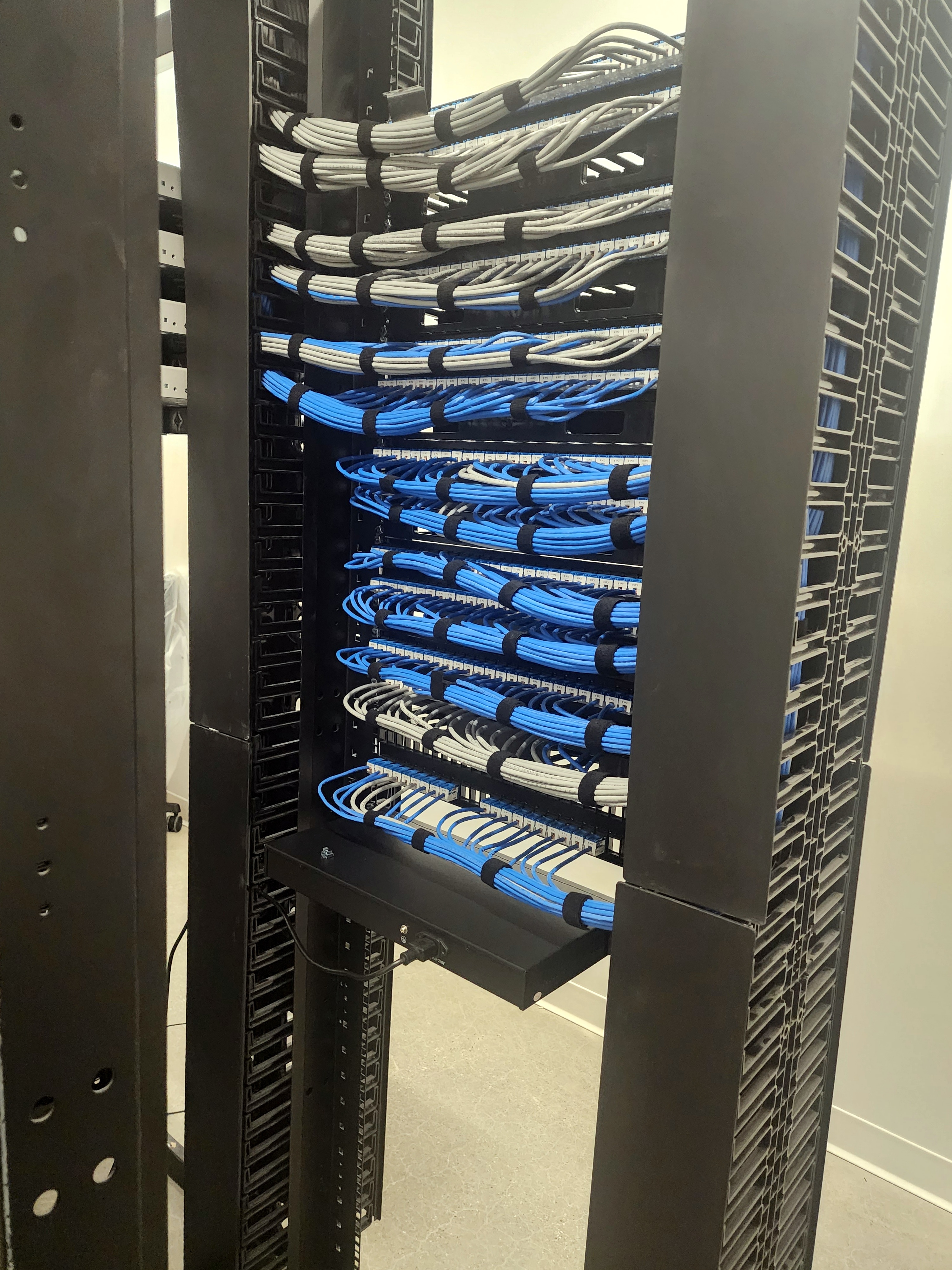
A typical motion sensor alarm system is interconnected through low-voltage Ethernet cabling and consists of the following main components:
Motion Detector
The motion detector is usually a passive infrared sensor housed in a white block with a semi-translucent panel. This panel receives infrared radiation and detects temperature changes caused by a person's presence.
Electronic Control Panel
The control panel is the system's brain, interpreting signals from various sensors and transmitting information. It is typically an integrated unit capable of managing multiple sensors simultaneously.
Desktop or Mobile Application
Modern motion sensor alarm systems can be managed via desktop or mobile applications. The most advanced systems are cloud-based, allowing seamless integration with online platforms for security personnel management.
Conclusion
Motion sensor alarm systems are a vital component in enhancing the security of commercial and industrial properties. By understanding the different types of sensors and their applications, businesses can implement adequate security measures to protect their premises. From preventing crime to improving energy efficiency, motion sensors provide a reliable and efficient solution for modern security needs.
Investing in a comprehensive motion sensor alarm system can provide peace of mind and ensure the safety of your property, employees, and assets. Contact
Progressive Office Cabling today for more information on how to integrate these systems into your security infrastructure.