
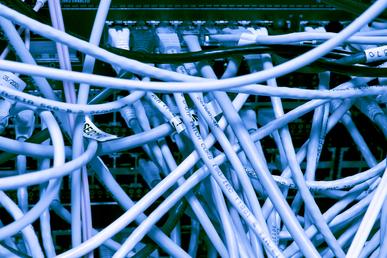
Why Businesses Should Remove Abandoned Network Cabling During Renovations
When companies renovate office spaces, upgrade technology, or move into a new facility, the focus is often on new equipment and fresh infrastructure. However, one of the most overlooked aspects of a successful renovation is the removal of abandoned network cabling.
Over the years, commercial buildings accumulate outdated Cat5e cables, unused fiber runs, disconnected security camera wiring, and old access control cabling. While these cables may no longer be in use, leaving them behind can create significant problems for future network upgrades and building maintenance.
At Progressive Cabling, we help businesses nationwide remove obsolete cabling and prepare their facilities for modern technology infrastructure.
What Is Abandoned Cabling?
Abandoned cabling refers to network, fiber, security, or communication cables that are no longer connected to active equipment or serving a business function.
Examples include:
- Legacy Cat5 cabling
- Unused Cat5e network runs
- Outdated fiber optic connections
- Old camera system wiring
- Disconnected access control cables
- Previous tenant infrastructure
Many commercial buildings contain hundreds—or even thousands—of feet of unused cable hidden above ceilings and inside walls.
Why Abandoned Cabling Becomes a Problem
At first glance, unused cables may seem harmless. However, over time they can create several challenges.
Common issues include:
- Overcrowded cable pathways
- Limited space for new installations
- Difficult troubleshooting
- Poor network organization
- Increased maintenance costs
When technicians cannot easily identify active cables, future projects become slower and more expensive.
Supporting Code Compliance
Many building owners are surprised to learn that abandoned cabling can create code compliance concerns.
Unused cable bundles can:
- Increase combustible material in ceilings
- Obstruct cable pathways
- Create fire loading concerns
- Complicate inspections
Removing obsolete infrastructure helps maintain a cleaner, safer environment that aligns with industry best practices.
Making Future Network Upgrades Easier
Modern businesses rely on:
- Cat6 and Cat6A cabling
- Fiber optic backbones
- Wireless access points
- Security cameras
- Access control systems
- Smart building technologies
Installing these systems becomes significantly easier when old cables are removed beforehand.
Clean pathways allow technicians to:
- Route new cabling efficiently
- Improve installation quality
- Reduce labor costs
- Minimize project delays
The result is a cleaner and more organized infrastructure.
Improving Network Closet Organization
Network closets often become cluttered after years of upgrades and tenant changes.
Abandoned cabling can create:
- Tangled cable bundles
- Blocked rack access
- Poor airflow
- Difficult equipment maintenance
Professional cabling removal helps restore organization and creates room for future expansion.
Better Airflow and Equipment Performance
Large bundles of unused cabling can restrict airflow within network rooms and above ceilings.
Removing unnecessary cables helps:
- Improve cooling efficiency
- Reduce heat buildup
- Improve equipment reliability
- Extend the lifespan of switches and networking hardware
Clean infrastructure supports better overall network performance.
Simplifying Troubleshooting
One of the biggest frustrations for IT teams is identifying active connections in a building filled with old cabling.
By removing obsolete infrastructure, businesses gain:
- Faster troubleshooting
- Easier cable identification
- Improved documentation accuracy
- Reduced service time during repairs
This leads to lower support costs and reduced downtime.
Ideal Time for Cabling Removal
The best time to remove abandoned cabling is during:
- Office renovations
- Tenant improvements
- Building remodels
- Network upgrades
- Facility relocations
- Infrastructure modernization projects
Removing old cabling before installing new systems creates a much smoother project workflow.
Industries That Benefit Most
Abandoned cable removal is especially valuable for:
- Corporate office buildings
- Warehouses and distribution centers
- Healthcare facilities
- Educational campuses
- Retail centers
- Multi-tenant commercial properties
Any building with years of technology upgrades can benefit from professional cabling cleanup.
Why Businesses Choose Progressive Cabling
Progressive Cabling provides professional cabling demolition and remediation services nationwide.
Our services include:
- Cat5 and Cat5e cable removal
- Fiber optic cable demolition
- Security camera wiring removal
- Access control cable removal
- Network closet cleanup
- Pathway preparation for new installations
We help businesses eliminate outdated infrastructure while preparing facilities for future technology growth.
Start Your Next Project with a Clean Infrastructure Foundation
Modern technology performs best when installed on a clean, organized infrastructure foundation. Removing abandoned cabling improves safety, simplifies maintenance, and creates space for future growth.
Before your next renovation, network upgrade, or office buildout, consider the long-term benefits of professional cabling removal.
Contact Progressive Cabling today to learn how cabling demolition and abandoned cable removal services can help prepare your facility for the next generation of business technology.

