
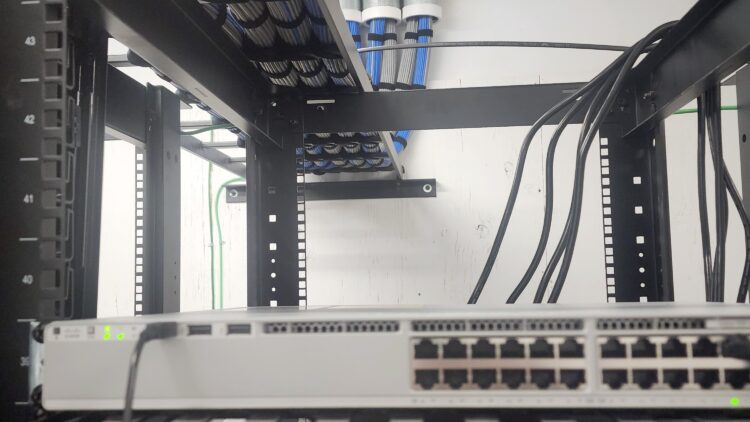
How to Reduce Network Downtime in Commercial Buildings
Network downtime is one of the most costly and frustrating issues a business can face. Whether it’s a few minutes or several hours, lost connectivity can halt operations, disrupt communication, and impact revenue. For businesses nationwide, reducing downtime starts with one critical factor: reliable network infrastructure.
At Progressive Cabling, we help organizations build and maintain structured cabling systems that minimize disruptions and keep operations running smoothly.
The Real Cost of Network Downtime
Many businesses underestimate how expensive downtime can be. When the network goes down, it affects:
- Employee productivity
- Customer service and response times
- Access to cloud applications
- Communication systems like VoIP
- Security systems such as cameras and access control
Even short outages can lead to lost opportunities and long-term inefficiencies.
Common Causes of Network Downtime
Understanding the root causes of downtime is the first step toward preventing it. Some of the most common issues include:
- Poorly installed or damaged cabling
- Disorganized network closets
- Overloaded switches or insufficient capacity
- Lack of proper documentation
- Environmental factors like heat or interference
Many of these issues can be avoided with proper planning and professional installation.
Start with Structured Cabling
Structured cabling provides a clean, organized foundation for your network. Instead of scattered or outdated wiring, it creates a system that is easy to manage and maintain.
Benefits of structured cabling include:
- Reliable and consistent connectivity
- Reduced signal interference
- Easier troubleshooting
- Improved scalability for future growth
A strong foundation is key to reducing unexpected failures.
Keep Network Closets Organized
Network closets are often overlooked, but they play a major role in uptime. Messy or overcrowded closets can lead to overheating, accidental disconnects, and longer repair times.
Best practices include:
- Proper cable management
- Clearly labeled patch panels
- Organized rack layouts
- Adequate airflow and spacing
An organized closet reduces errors and speeds up maintenance.
Plan for Redundancy
Redundancy ensures that if one part of the network fails, another can take over. This is especially important for critical systems.
Redundancy strategies include:
- Backup network pathways
- Secondary internet connections
- Redundant switches or equipment
- Multiple cabling routes for key systems
This approach helps maintain uptime even during unexpected failures.
Use Quality Cabling and Materials
Low-quality cables or improper installation can lead to frequent connectivity issues. Investing in high-quality materials ensures long-term reliability.
Recommended solutions include:
- Cat6 or Cat6A cabling for high-speed performance
- Fiber optic backbones for long-distance and high-bandwidth needs
- Properly rated cables (plenum or riser) based on environment
Quality infrastructure reduces the risk of failure.
Support PoE Devices Properly
Many modern systems rely on Power over Ethernet (PoE), including:
- Security cameras
- Wireless access points
- Access control systems
Improper cabling or overloaded switches can cause these devices to fail.
Proper planning ensures:
- Adequate power capacity
- Stable connections
- Reliable system performance
This keeps critical systems operational at all times.
Maintain and Update Documentation
Accurate network documentation makes it easier to identify and resolve issues quickly.
Good documentation includes:
- Cable and port labeling
- Network diagrams
- Equipment layouts
- Test results and certifications
With proper records, troubleshooting becomes faster and less disruptive.
Schedule Regular Network Audits
Preventative maintenance is one of the best ways to reduce downtime. Regular audits help identify potential issues before they become major problems.
An audit can uncover:
- Aging or damaged cabling
- Capacity limitations
- Organization issues
- Opportunities for improvement
Proactive maintenance keeps your network running efficiently.
Industries Where Downtime Is Critical
While every business relies on connectivity, downtime is especially impactful in:
- Healthcare facilities
- Warehouses and logistics operations
- Corporate offices
- Retail and e-commerce businesses
- Educational institutions
In these environments, reliability is essential for daily operations.
Why Businesses Choose Progressive Cabling
Progressive Cabling provides structured cabling and infrastructure solutions nationwide. Businesses choose us because we deliver:
- Clean, organized installations
- Cat6, Cat6A, and fiber solutions
- Code-compliant cabling practices
- PoE-ready infrastructure for modern systems
- Scalable designs for long-term reliability
We focus on building networks that stay up and running.
Build a Network You Can Depend On
Reducing downtime isn’t about quick fixes—it’s about building a reliable foundation. With the right cabling, organization, and planning, businesses can avoid disruptions and maintain consistent performance.
If your organization is experiencing network issues or planning an upgrade, now is the time to take action.
Contact Progressive Cabling today to learn how professional network infrastructure can reduce downtime and keep your business connected.

