
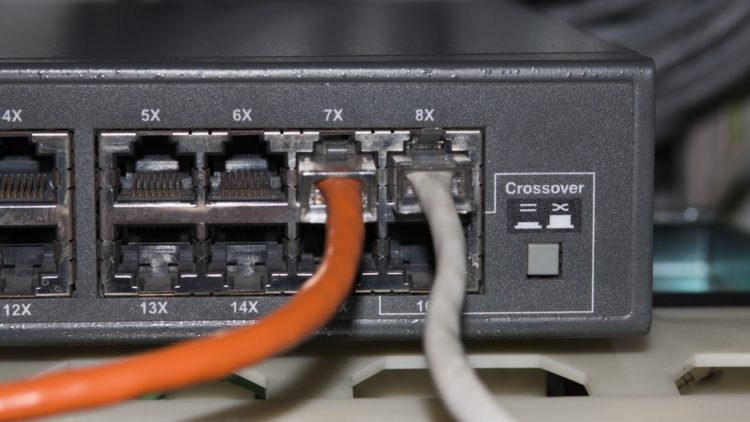
Why Businesses Should Replace Aging Network Cabling Before It Causes Downtime
Network problems rarely happen overnight. In many cases, slow internet speeds, intermittent connection issues, and unreliable communication systems are the result of aging network cabling that has gradually deteriorated over time. While businesses often replace computers, servers, and networking hardware, the cabling hidden above ceilings and behind walls is frequently overlooked.
As commercial technology continues to evolve, replacing aging network cabling has become one of the smartest investments businesses can make to improve performance, reliability, and long-term scalability.
At Progressive Cabling, we help businesses nationwide upgrade outdated structured cabling systems with modern infrastructure built to support today’s technology and tomorrow’s growth.
How Long Does Network Cabling Last?
High-quality structured cabling is designed to last for many years, but no infrastructure lasts forever. Older cable systems may still function, but they often struggle to support modern network demands.
Common signs your cabling may be outdated include:
- Cat5 infrastructure still in use
- Aging Cat5e systems supporting newer technology
- Frequent network interruptions
- Slow file transfers
- Poor VoIP call quality
- Inconsistent wireless performance
If your building’s cabling was installed more than a decade ago, it may be time to evaluate whether it still meets your business needs.
Technology Has Changed Dramatically
Today’s commercial networks support significantly more devices than they did just a few years ago.
Businesses now rely on:
- Cloud-based applications
- Video conferencing
- AI-powered software
- Security camera systems
- Wireless access points
- Smart building technology
- Power over Ethernet (PoE) devices
These technologies require higher bandwidth and more reliable infrastructure than older cabling systems were designed to provide.
Aging Cabling Can Create Hidden Problems
Unlike damaged hardware, cabling problems often develop gradually.
Businesses may experience:
- Random network disconnects
- Slower workstation performance
- Packet loss
- Unstable wireless access points
- Camera connectivity issues
- Increased troubleshooting requests
Because these problems are intermittent, they can be difficult to diagnose without inspecting the physical infrastructure.
Improve Performance with Cat6 and Cat6A
Upgrading to Cat6 or Cat6A structured cabling provides significant performance improvements over older systems.
Benefits include:
- Higher data transfer speeds
- Increased bandwidth
- Better resistance to interference
- Improved support for PoE devices
- Greater reliability under heavy network traffic
Modern cabling creates a stronger foundation for current and future business technologies.
Better Support for Wireless Networks
Many businesses focus on improving Wi-Fi without realizing that wireless performance depends on wired infrastructure.
Every wireless access point relies on:
- High-speed structured cabling
- Reliable switch connections
- Stable PoE power
- Strong backbone connectivity
Replacing aging cabling often improves wireless performance throughout the entire building.
Prepare for Fiber Integration
Many organizations are adding fiber optic backbones to increase bandwidth between network closets and buildings.
Replacing outdated copper infrastructure makes it easier to integrate:
- Fiber backbone connections
- High-speed switching equipment
- Future bandwidth upgrades
- Multi-building network expansion
Planning both copper and fiber upgrades together creates a more scalable network.
Reduce Maintenance Costs
Older cabling often requires frequent troubleshooting, resulting in increased IT support costs and unnecessary downtime.
Replacing aging infrastructure helps reduce:
- Emergency repair calls
- Troubleshooting time
- Service interruptions
- Equipment compatibility issues
Modern structured cabling provides greater reliability, reducing long-term maintenance expenses.
Improve Organization During the Upgrade
Replacing network cabling also provides an opportunity to organize your infrastructure.
Professional upgrades include:
- Cable labeling
- Patch panel organization
- Network closet cleanup
- Cable management improvements
- Updated documentation
A clean and organized network is easier to maintain and expand in the future.
Ideal Time to Replace Network Cabling
Businesses should consider upgrading aging cabling during:
- Office renovations
- Building expansions
- Technology refresh projects
- Security system upgrades
- Office relocations
- Warehouse modernization
Replacing infrastructure during these projects minimizes disruption while maximizing long-term value.
Industries That Benefit from Cabling Upgrades
Modern structured cabling benefits virtually every commercial industry, including:
- Corporate offices
- Warehouses and logistics centers
- Manufacturing facilities
- Healthcare organizations
- Educational institutions
- Retail businesses
- Multi-location enterprises
Reliable infrastructure supports productivity regardless of industry.
Why Businesses Choose Progressive Cabling
Progressive Cabling provides nationwide structured cabling and low-voltage solutions, including:
- Cat6 and Cat6A installations
- Fiber optic backbone installation
- Wireless access point cabling
- Security camera infrastructure
- Door access control systems
- Network closet organization
- Professional cable testing and certification
Our experienced team designs scalable, code-compliant infrastructure that keeps businesses connected and prepared for future growth.
Upgrade Before Problems Become Expensive
Waiting until your network begins to fail can lead to costly downtime, frustrated employees, and emergency repairs. By replacing aging cabling before problems arise, businesses can improve performance, reduce maintenance costs, and prepare for the next generation of technology.
If your organization is still relying on older network infrastructure, now is the ideal time to invest in an upgrade.
Contact Progressive Cabling today to learn how modern structured cabling solutions can improve network reliability, increase performance, and future-proof your business for years to come.

