
The Role of Network Cabling in Supporting Cloud-Based Business Operations
Cloud computing has transformed how businesses operate. From file storage and collaboration tools to accounting systems and customer management platforms, companies nationwide are relying more than ever on cloud-based applications. While cloud services reduce the need for on-site servers, they significantly increase the demand on your network infrastructure.
What many businesses don’t realize is this: your connection to the cloud is only as strong as the cabling behind it.
At Progressive Cabling, we help organizations build structured cabling systems that support fast, reliable, and secure access to cloud-based platforms.
Why Cloud Applications Demand More from Your Network
Cloud platforms require constant, real-time communication between your devices and remote servers. Unlike older systems that stored data locally, cloud-based operations depend on:
- Continuous internet connectivity
- High-speed data transfer
- Low latency for real-time performance
- Reliable access across multiple devices
If your cabling infrastructure can’t support these demands, users will experience slow load times, lag, and disruptions.
The Foundation: Structured Cabling
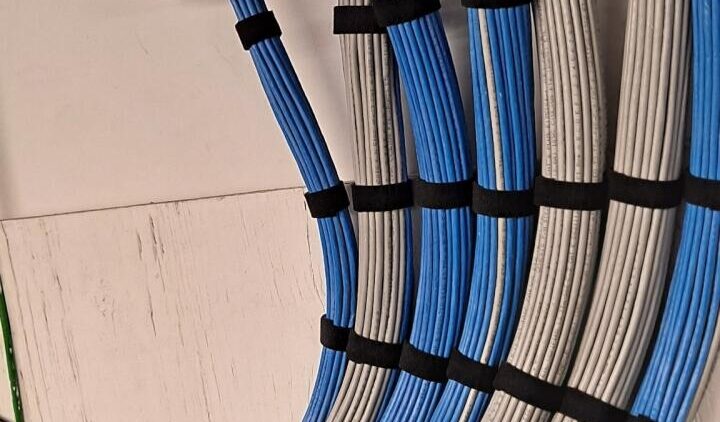
Structured cabling is the backbone of any cloud-ready network. It connects every device, access point, and system within your building to the network and ultimately to the internet.
A properly designed structured cabling system ensures:
- Consistent data flow across all devices
- Reduced interference and signal loss
- Reliable connections for high-demand applications
- Easier troubleshooting and maintenance
Using modern cabling like Cat6 or Cat6A helps businesses handle the increased bandwidth required by cloud services.
Supporting High-Speed Connectivity with Fiber
For businesses with large teams or heavy cloud usage, fiber optic cabling plays a critical role. Fiber is often used as the network backbone, connecting network closets, floors, or buildings.
Fiber provides:
- High-speed data transfer with minimal latency
- Long-distance connectivity without signal degradation
- Support for large volumes of simultaneous data traffic
- Scalability for future growth
When paired with structured cabling, fiber ensures cloud applications run smoothly across the entire organization.
Improving Wireless Performance for Cloud Access
Most employees access cloud applications through Wi-Fi. However, wireless performance depends heavily on the wired infrastructure behind it.
Professional cabling supports:
- Proper placement of wireless access points
- Reliable Power over Ethernet (PoE) delivery
- Strong backhaul connections to the network
- Consistent coverage throughout the building
Without proper cabling, even the best Wi-Fi equipment cannot deliver optimal performance.
Reducing Downtime and Connectivity Issues
Cloud-based businesses rely on uptime. Any interruption in connectivity can halt operations, disrupt communication, and impact customer service.
High-quality cabling reduces the risk of:
- Dropped connections
- Network slowdowns
- Hardware communication failures
- Intermittent performance issues
Reliable infrastructure ensures employees can access critical systems without interruption.
Supporting Multiple Devices and Users
Today’s workplaces are filled with connected devices, including:
- Laptops and desktops
- Mobile devices and tablets
- VoIP phones
- Security cameras
- Smart building systems
All of these devices rely on the same network. Structured cabling ensures your infrastructure can handle high device density without performance loss.
Enhancing Security for Cloud Connectivity
While cloud providers handle much of the software-level security, your physical network still plays a role in protecting data.
Proper cabling and infrastructure help:
- Maintain secure connections between devices
- Support network segmentation and access control
- Reduce risks associated with unstable or exposed connections
- Ensure reliable communication with security systems
A strong physical network supports overall cybersecurity efforts.
Planning for Future Cloud Growth
Cloud adoption continues to grow, and network demands will only increase. Businesses need infrastructure that can scale without constant upgrades.
Future-ready cabling design includes:
- Cat6A or higher-grade cabling
- Fiber backbone integration
- Additional capacity for new devices
- Organized network closets
- Clear documentation for expansion
Planning ahead prevents performance bottlenecks as your business evolves.
Industries That Depend on Cloud-Ready Infrastructure
Reliable cabling is critical for cloud-based operations in:
- Corporate offices
- Healthcare and medical facilities
- Educational institutions
- Retail and e-commerce businesses
- Warehouses and logistics centers
- Professional service firms
In each case, cloud performance directly impacts productivity and customer experience.
Why Businesses Choose Progressive Cabling
Progressive Cabling provides structured cabling and network infrastructure solutions nationwide. Businesses choose us because we deliver:
- Professional Cat6 and Cat6A installations
- Fiber optic backbone solutions
- Clean, organized, and code-compliant work
- PoE-ready infrastructure for modern devices
- Scalable systems built for long-term growth
We build networks that keep your business connected to what matters most.
Build a Network That Keeps Up with the Cloud
Cloud technology is only as powerful as the network that supports it. Investing in professional cabling ensures your business can take full advantage of cloud platforms without performance issues.
If your organization relies on cloud applications, now is the time to evaluate your infrastructure.
Contact Progressive Cabling today to learn how structured cabling and fiber solutions can support fast, reliable, and scalable cloud connectivity.

