
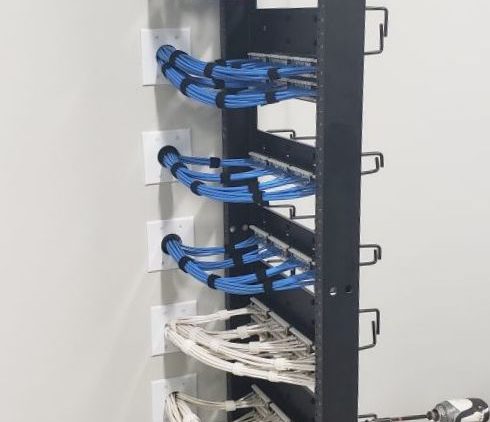
Industrial Network Cabling in Atlanta, GA: Reliable Infrastructure for Manufacturing Facilities
Modern manufacturing facilities depend on more than machinery to keep production moving. Computers, wireless devices, security cameras, inventory systems, building technology, and network-connected equipment all rely on dependable infrastructure behind the scenes.
As manufacturing becomes increasingly connected, the quality of a facility’s industrial network cabling becomes even more important.
At Progressive Cabling, we provide professional commercial and industrial network cabling in Atlanta, GA, including Cat6, Cat6A, fiber optic cabling, network racks, wireless access point cabling, security camera infrastructure, access control, and other low-voltage services.
Why Manufacturing Facilities Need Reliable Network Infrastructure
A typical office may concentrate most network devices around desks and conference rooms. Manufacturing facilities can spread technology across a much larger and more complicated environment.
Network connections may be needed throughout:
- Production areas
- Administrative offices
- Shipping and receiving
- Warehouses
- Quality control areas
- Equipment rooms
- Loading docks
- Inventory areas
- Security locations
This makes network infrastructure planning especially important.
Rather than adding individual cables whenever new technology is introduced, structured cabling gives Atlanta manufacturers an organized foundation for current operations and future expansion.
Cat6 Cabling for Manufacturing Facilities
Cat6 is widely used for Ethernet connectivity throughout commercial environments.
Within a manufacturing facility, Cat6 cabling may provide network connections for:
- Computers
- Printers
- VoIP phones
- Wireless access points
- IP security cameras
- Shipping stations
- Inventory workstations
- Other Ethernet-connected devices
Proper installation is critical.
Cable routing, pathway selection, termination, labeling, and testing should all be considered when installing network infrastructure throughout an industrial property.
When Does Cat6A Make Sense?
Some facilities may benefit from Cat6A cabling, particularly when planning a new network or preparing for higher bandwidth requirements.
Cat6A supports 10 Gigabit Ethernet over a compliant 100-meter channel and provides greater performance headroom than Cat6.
It may be worth considering for:
- New manufacturing facilities
- Long-term infrastructure upgrades
- High-performance network devices
- Multi-gigabit wireless access points
- Higher-powered PoE applications
- Facilities planning for future technology expansion
Choosing between Cat6 and Cat6A should be based on the actual requirements of the network rather than simply selecting the newest cable available.
Fiber Optic Cabling for Large Industrial Facilities
Distance can become a major challenge in manufacturing environments.
A large facility may have offices at one end of the property, production areas in the center, and shipping operations hundreds of feet away.
Instead of trying to serve the entire property with copper cabling from one network room, businesses can use fiber optic backbone cabling to connect multiple telecommunications spaces.
A network might be designed as:
Main Network Room → Fiber Backbone → IDF → Cat6/Cat6A → Connected Equipment
Fiber can provide high-capacity connectivity across longer distances while Cat6 or Cat6A handles individual device connections.
Connecting Multiple Buildings with Fiber
Some industrial properties consist of more than one building.
A company may have separate:
- Manufacturing buildings
- Warehouses
- Administrative offices
- Maintenance facilities
- Shipping buildings
Fiber optic infrastructure can provide a practical way to connect network equipment between these locations when properly designed for the application.
This creates a centralized network architecture while allowing individual buildings to maintain their own local network infrastructure.
Industrial Wi-Fi Depends on the Wired Network
Wireless connectivity is increasingly important in manufacturing and distribution environments.
Employees may use:
- Tablets
- Barcode scanners
- Mobile computers
- Inventory devices
- Wireless communication equipment
But reliable industrial Wi-Fi still requires a strong wired foundation.
Every commercial wireless access point needs connectivity back to the network. Cat6 or Cat6A cabling can provide that wired connection while compatible Power over Ethernet infrastructure can deliver power to the access point.
Careful AP cabling and placement are especially important in large industrial spaces where walls, machinery, shelving, and building materials may affect wireless coverage.
Security Camera Cabling for Manufacturing Properties
Manufacturing facilities can contain valuable equipment, materials, inventory, and restricted operational areas.
IP surveillance systems may be used to monitor:
- Employee entrances
- Production areas
- Loading docks
- Shipping and receiving
- Warehouses
- Parking lots
- Exterior doors
- Building perimeters
Professional camera cabling provides the network foundation required to connect IP cameras throughout the facility.
Larger properties may use a combination of fiber backbone infrastructure and Cat6 camera drops to provide coverage across different sections of the building.
Access Control for Restricted Areas
Not everyone inside a manufacturing facility necessarily needs access to every room.
Commercial access control can help businesses manage entry into areas such as:
- Network rooms
- Equipment rooms
- Inventory storage
- Administrative areas
- Employee entrances
- Other restricted spaces
Infrastructure may include card readers, keypads, door contacts, request-to-exit devices, access control panels, and related low-voltage cabling.
Planning cameras and access control alongside the network installation can create a cleaner overall infrastructure.
Protect Network Cabling with Proper Pathways
Industrial environments require careful consideration of how cables travel throughout the building.
Depending on the facility, cabling may be routed using:
- Cable trays
- J-hooks
- Conduit
- Telecommunications pathways
- Other approved support methods
Cables should not simply be placed wherever installation is easiest.
Professional pathway planning helps keep network infrastructure organized while making future maintenance and expansion more manageable.
Build Organized MDF and IDF Rooms
Large industrial facilities may require an MDF and multiple IDFs to distribute connectivity throughout the property.
These telecommunications spaces can include:
- Equipment racks
- Network cabinets
- Patch panels
- Fiber enclosures
- Cable management
- Labeled connections
Organized network rooms make it easier for IT teams to identify connections, troubleshoot problems, and add equipment as the facility grows.
Upgrade Aging Industrial Cabling
Manufacturing properties can remain in operation for decades.
As a result, some facilities contain multiple generations of network and low-voltage cabling installed during different renovations.
Older buildings may contain:
- Cat5 cabling
- Older Cat5e infrastructure
- Abandoned telephone cable
- Obsolete camera wiring
- Unlabeled network connections
- Unused cabling from previous equipment
A network upgrade provides an opportunity to evaluate existing infrastructure and replace or remove outdated cabling where appropriate.
Progressive Cabling also provides commercial cabling demolition and abandoned cable removal for facilities undergoing renovations and technology upgrades.
Plan Cabling Before Installing New Equipment
Network infrastructure should be considered early when a manufacturing company is adding equipment, renovating production space, or moving into a new facility.
Early planning can identify requirements for:
- Data drops
- Wireless access points
- Network closets
- Fiber backbones
- Cameras
- Access-controlled doors
- Future network expansion
Installing the necessary infrastructure before production areas become fully operational can help reduce disruption later.
Industrial Network Cabling Services in Atlanta
Progressive Cabling provides commercial and industrial low-voltage services, including:
- Industrial network cabling
- Manufacturing facility cabling
- Cat6 installation
- Cat6A installation
- Fiber optic installation
- Fiber backbone cabling
- MDF and IDF infrastructure
- Wireless access point cabling
- Network racks and patch panels
- Security camera cabling
- Access control infrastructure
- Cable testing and certification
- Cabling demolition
These services can support new construction, facility expansions, renovations, and upgrades to existing network infrastructure.
Serving Atlanta and Metro Atlanta Industrial Facilities
Progressive Cabling supports commercial network projects throughout Atlanta and Metro Atlanta, including:
- Atlanta
- Marietta
- Smyrna
- Kennesaw
- Alpharetta
- Roswell
- Norcross
- Duluth
- Lithia Springs
- East Point
- College Park
- Forest Park
- Fairburn
- Surrounding Metro Atlanta industrial areas
Whether the project involves a manufacturing plant, warehouse, distribution facility, or other commercial property, reliable network infrastructure provides the foundation for connected operations.
Get a Quote for Industrial Network Cabling in Atlanta, GA
Manufacturing technology continues to evolve, but every connected system still depends on the infrastructure carrying data throughout the facility.
Professional Cat6, Cat6A, fiber optic cabling, wireless access point connections, security infrastructure, and organized network rooms can help Atlanta manufacturers build networks prepared for today’s operations and tomorrow’s expansion.
If you’re searching for industrial network cabling in Atlanta, manufacturing network cabling, Atlanta fiber optic installation, industrial Cat6A cabling, factory network cabling, or a commercial low-voltage contractor in Atlanta, GA, Progressive Cabling can help.
Contact Progressive Cabling today for a quote on industrial and manufacturing network cabling in Atlanta and Metro Atlanta.

