
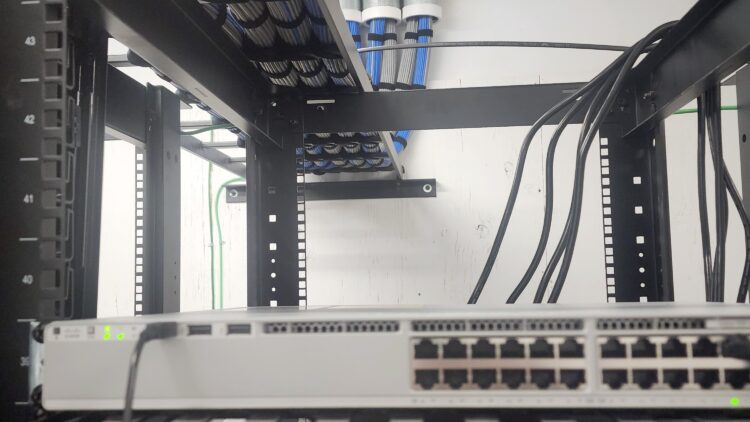
Low-Voltage Infrastructure Planning: The Overlooked Key to Efficient Commercial Buildings
When businesses plan technology upgrades, the focus usually falls on visible systems—Wi-Fi, security cameras, access control, or cloud software. But what ties all of these systems together is often overlooked: low-voltage infrastructure planning.
For commercial buildings across Georgia, including Atlanta, Cobb County, and Rome, properly planned low-voltage systems are essential for efficiency, reliability, and long-term scalability.
At Progressive Cabling, we help businesses design and install low-voltage infrastructure that supports today’s technology while preparing for tomorrow’s growth.
What Is Low-Voltage Infrastructure?
Low-voltage infrastructure includes all the systems that operate at lower electrical voltages and support communication, security, and automation. These systems typically include:
-
Structured data cabling (Cat6, Cat6a, fiber)
-
Wireless access points and Wi-Fi infrastructure
-
Security camera systems
-
Door access control, card readers, and keypads
-
Intercoms and paging systems
-
Building automation and IoT devices
-
Power over Ethernet (PoE) systems
While these systems may seem separate, they all depend on a cohesive low-voltage design to work efficiently together.
Why Planning Matters More Than Installation Alone
Many buildings add low-voltage systems one at a time—installing cameras this year, access control next year, and new Wi-Fi later. Without upfront planning, this piecemeal approach leads to:
-
Redundant cabling runs
-
Overcrowded network closets
-
Inconsistent labeling and documentation
-
Limited expansion capability
-
Higher long-term costs
Low-voltage planning looks at the big picture, ensuring all systems share a clean, organized infrastructure that grows with your business.
Centralizing Systems for Better Performance
One of the biggest advantages of professional low-voltage planning is system centralization. Instead of isolated wiring and standalone components, a structured approach allows:
-
Shared network backbones
-
Centralized power management through PoE
-
Integrated security and access control
-
Simplified monitoring and troubleshooting
This structure improves performance while reducing maintenance complexity.
Supporting Smart Building Technology
Smart buildings rely heavily on low-voltage systems to automate and optimize operations. Sensors, controllers, cameras, and access systems all communicate through low-voltage cabling.
Proper planning ensures:
-
Enough bandwidth for automation systems
-
Reliable power delivery for IoT devices
-
Clean pathways for future smart technology
-
Compatibility with building management systems (BMS)
Without a strong low-voltage foundation, smart building investments often underperform.
Improving Reliability and Reducing Downtime
Disorganized or poorly planned low-voltage systems are more prone to failures. Loose connections, overloaded switches, and undocumented cabling can cause downtime that’s difficult to diagnose.
Professional planning includes:
-
Structured cabling layouts
-
Clear labeling and documentation
-
Proper cable management
-
Redundancy for critical systems
-
Logical separation of systems
This approach reduces outages and speeds up recovery when issues occur.
Cost Savings Over the Life of the Building
While low-voltage planning may require more upfront coordination, it delivers significant long-term savings. Businesses benefit from:
-
Fewer future re-installs
-
Lower labor costs during expansions
-
Reduced troubleshooting time
-
Longer equipment lifespan
-
Improved resale or lease value
In many cases, the cost of proper planning is far less than the expense of correcting poorly designed infrastructure later.
Who Benefits Most from Low-Voltage Planning?
Low-voltage infrastructure planning is especially valuable for:
-
New commercial construction projects
-
Multi-tenant office buildings
-
Warehouses and distribution centers
-
Healthcare and educational facilities
-
Retail and hospitality environments
-
Buildings preparing for smart technology upgrades
Any facility that relies on connectivity, security, and automation benefits from a unified approach.
Why Georgia Businesses Choose Progressive Cabling
Progressive Cabling works with businesses across Atlanta, Cobb County, Floyd County, and surrounding areas to deliver low-voltage solutions that are clean, scalable, and future-ready.
Clients choose us because we provide:
-
End-to-end low-voltage planning and installation
-
Structured cabling and fiber infrastructure
-
PoE-ready network design
-
Camera and access control integration
-
Organized network closets and documentation
-
Code-compliant, professional installations
We don’t just install systems—we design infrastructure that supports everything built on top of it.
Build a Strong Foundation for Every System
Low-voltage infrastructure may not be visible, but it impacts nearly every aspect of your building’s technology. Proper planning ensures your systems work together, scale easily, and remain reliable for years to come.
If your business is planning upgrades, expansion, or new construction, now is the time to think beyond individual systems and focus on the foundation.
Contact Progressive Cabling today to schedule a consultation and learn how professional low-voltage infrastructure planning can improve performance, reduce costs, and future-proof your building across Georgia.

